{{ 'fb_in_app_browser_popup.desc' | translate }} {{ 'fb_in_app_browser_popup.copy_link' | translate }}
{{ 'in_app_browser_popup.desc' | translate }}
{{ childProduct.title_translations | translateModel }}
{{ getChildVariationShorthand(childProduct.child_variation) }}
{{ getSelectedItemDetail(selectedChildProduct, item).childProductName }} x {{ selectedChildProduct.quantity || 1 }}
{{ getSelectedItemDetail(selectedChildProduct, item).childVariationName }}
﹨Lishantea﹨
The Lishan tea region is situated at an altitude of 1,600 to 2,600 meters, making it one of Taiwan's important high mountain tea-producing areas. Due to its high altitude, the climate is cool and misty, coupled with organic-rich soil, which results in high-quality tea leaves that exhibit unique flavors and aromas.
想深入了解梨山茶?
產地茶區比較、沖泡教學、價格行情、選購指南一篇搞懂
Table of Contents
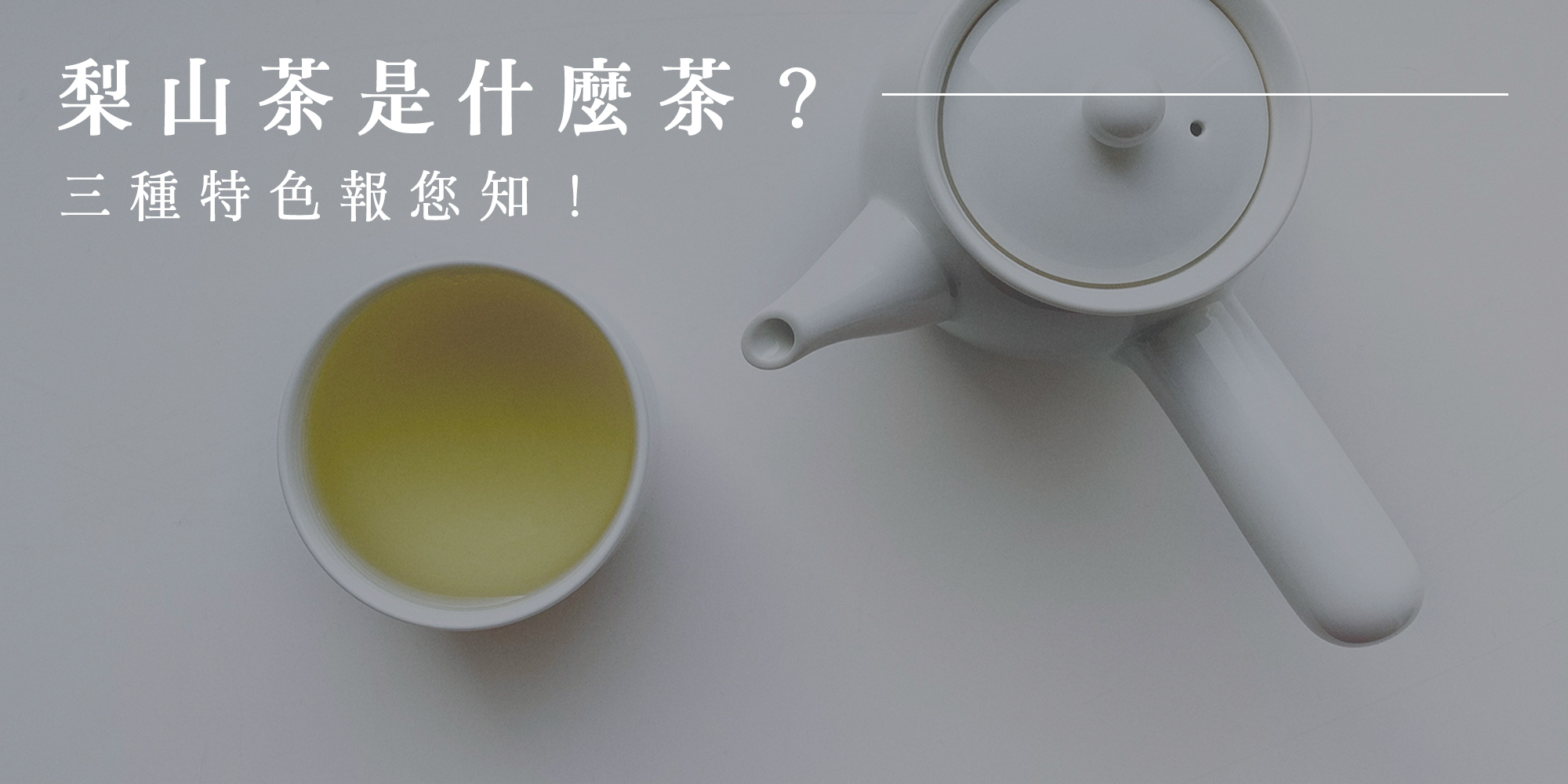
High Altitude Region:
Lishan tea is generally grown in high mountain areas at altitudes between 1,600 and 2,600 meters. Such high-altitude regions are beneficial for the growth of tea trees, as they can benefit from a mild climate and abundant rainfall. Additionally, the significant temperature difference between day and night enhances the aroma and flavor of the tea leaves.
Rich and Multi-layered Flavor:
Lishan tea has a unique flavor and aroma due to its cultivation in specific high-altitude regions. It features a refreshing character with distinct floral notes, often accompanied by hints of fruit or cream. The taste is smooth with a unique sweetness, and the tea liquor appears bright and golden, bringing a sense of tranquility.
Delicate Craftsmanship:
The production process of Lishan tea is very meticulous, including picking, withering, rolling, and roasting. The leaves are typically harvested in spring and winter, ensuring the quality of the tea. This craftsmanship allows Lishan tea to maintain its special aroma and flavor.
The Lishan tea region is famous for its unique high mountain teas, especially those produced from the Qingxin Oolong variety. Let's explore the characteristics of Lishan tea and the exceptional tasting experience it offers.
Types and Grades of Tea
Harvest Seasons and Timing
Origin and Altitude
In summary, purchasing Lishan tea not only allows you to delve into Taiwan's tea culture but also lets you enjoy high-quality tea cultivated by a unique geographical environment, making it an unmissable tea experience.
| Factors to Consider | Description |
|---|---|
| Type and Grade of Tea | Qingxin Oolong is the main and highest-grade variety, characterized by rich floral and fruity aromas. |
| Harvest Season and Timing | Spring is the best season for quality, with tender green buds; winter also provides top-quality tea. |
| Origin and Altitude | The high-altitude areas of Lishan provide better tea quality and richer aromas and flavors. |
| Purchase Recommendations |
|
Lishan high mountain tea, beloved by consumers, is renowned for its unique growing environment and exceptional quality. Grown in high mountain areas, this tea benefits from the climate and mist, which slow its growth and enhance its rich tea aroma and delicate floral notes. More importantly, it undergoes strict quality control and certification, ensuring that every cup meets the highest standards.
Despite its time-consuming and costly production process, which requires hand-picking and special manufacturing techniques, this also means you will enjoy a truly premium tea.
To ensure you buy the highest quality Lishan high mountain tea, we recommend purchasing only from reputable tea merchants. When buying, carefully observe the appearance and color of the tea leaves, and note their lasting aroma. Choosing a well-reviewed tea merchant can ensure that you purchase a product that provides value for money.
| Characteristics |
|---|
| 1. Tea Polyphenols: Lishan tea contains catechins and other polyphenols, the main source of its gentle astringency and lingering sweet finish. |
| 2. Floral and Fruity Aroma: Delicate orchid notes with a pear-like fruitiness, smooth and never bitter. |
| 3. Many Infusions: Quality Lishan tea can be steeped 7-8 times, with each infusion revealing a different layer of flavor. |
| 4. After a Meal: The clean, refreshing liquor pairs well with food and makes a pleasant cup after a meal. |
| Drinking Guide |
|---|
| 1. Choose Good Tea: Ensure you select high-quality Lishan tea, which usually offers better flavor and a longer-lasting aroma. |
| 2. Proper Brewing: The ideal water temperature for brewing Lishan tea is 95-100°C, with a recommended brewing time of 1-2 minutes for the best flavor. |
| 3. Avoid Drinking on an Empty Stomach: Avoid drinking tea on an empty stomach, as it may irritate the gastrointestinal tract. It's best to drink tea with food. |
| 4. Do Not Drink Tea at Night: Due to caffeine content, it's advisable to avoid drinking tea at night or before bed to prevent sleep disruption. |
Note: Tea contains caffeine. If you are sensitive to caffeine, pregnant, or have a specific health condition, please adjust how much you drink.