{{ 'fb_in_app_browser_popup.desc' | translate }} {{ 'fb_in_app_browser_popup.copy_link' | translate }}
{{ 'in_app_browser_popup.desc' | translate }}
{{ childProduct.title_translations | translateModel }}
{{ getChildVariationShorthand(childProduct.child_variation) }}
{{ getSelectedItemDetail(selectedChildProduct, item).childProductName }} x {{ selectedChildProduct.quantity || 1 }}
{{ getSelectedItemDetail(selectedChildProduct, item).childVariationName }}
﹨Fushoushan Tea﹨
Fushoushan tea is one of Taiwan's renowned high mountain teas, located in the back mountains of Lishan, at an elevation of 2400 to 2600 meters. The area boasts beautiful scenery, steep terrain, cool climate, and misty surroundings. These features, combined with the local tea farmers' dedication to tea-making techniques, have made Fushoushan tea synonymous with high mountain tea quality.
Fushoushan Tea comes from one of the highest-altitude growing regions in Taiwan, with gardens located behind Lishan at elevations above 2,400 meters. To put that in perspective, it sits 900–1,150 meters higher than the Alishan tea district. The higher the altitude, the lower the temperature and the greater the diurnal temperature swing — the tea plants grow slowly, but the resulting flavor is all the more concentrated. Anyone who has tasted Fushoushan Tea tends to remember that crisp, clean mountain character. No manufacturing technique can replicate it; it is simply the taste of that land.
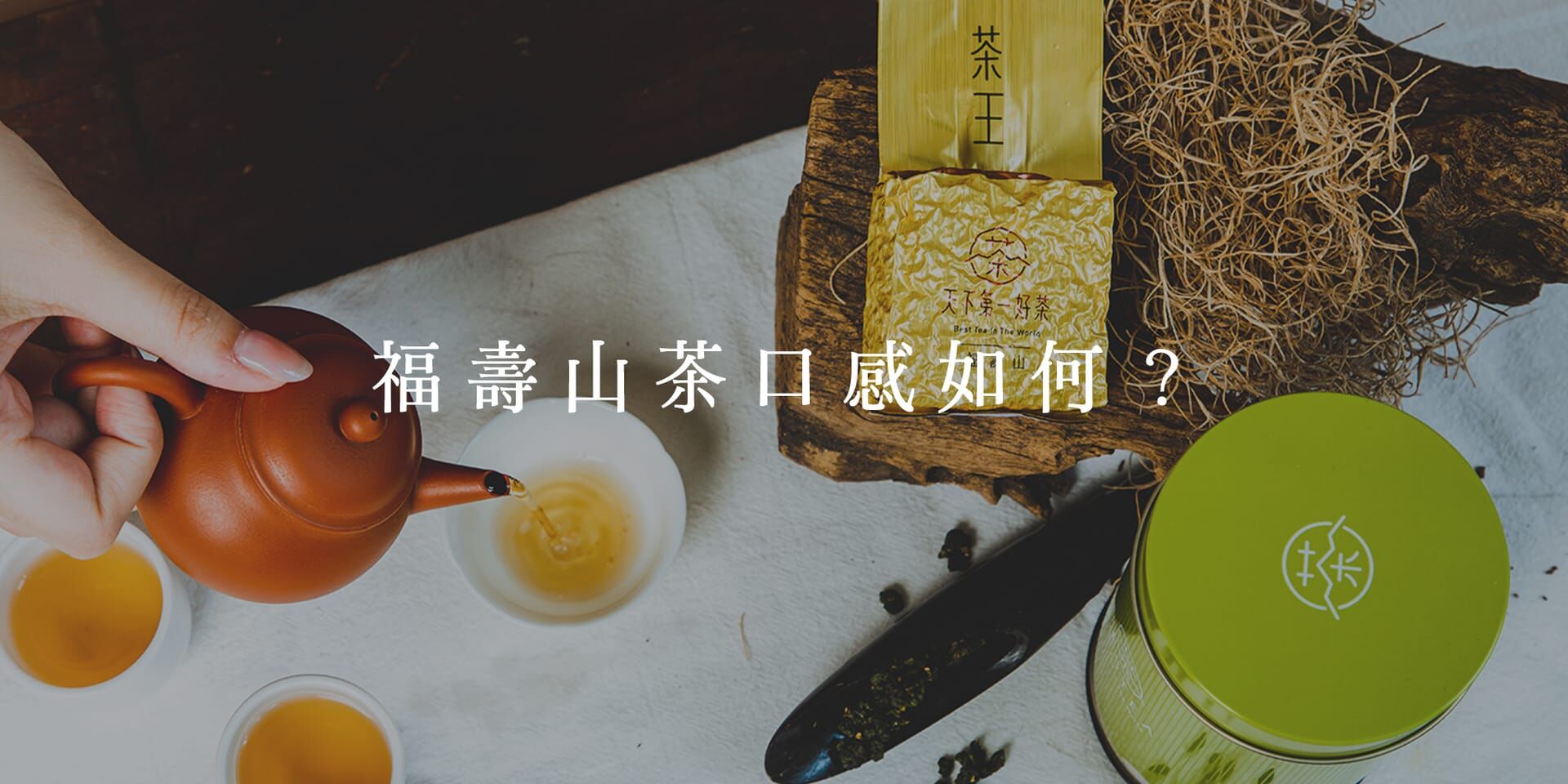
Many customers ask us: "What sets Fushoushan Tea apart from other high-mountain teas?" The most tangible differences come down to three things:
This is difficult to put into words, but anyone who has tried it will understand. The floral and fruity notes of Fushoushan Tea are not warm and sweet — they lean cool, almost as if the mountain air itself has been folded into the cup. Some seasoned tea drinkers say it evokes cold plum blossom or apple skin; we think there is a bit of both, yet it is neither entirely. This is the distinctive aromatic profile that only high altitude can produce.
Because the plants grow slowly, the leaves are thicker and denser, with higher concentrations of pectin and amino acids in the cells. The resulting liquor has a certain viscosity — not concentrated to the point of bitterness, but a rich, weighty fullness you feel across the tongue. This texture is virtually impossible to find in teas grown below 1,500 meters.
After swallowing a quality Fushoushan Tea, the throat continues to produce a pleasant returning sweetness — sometimes lingering for several minutes. In our testing, a consistent Fushoushan Tea typically holds flavor through 7–8 steepings, with the sweetness actually becoming more pronounced around the 5th and 6th infusions.
Want to experience for yourself what tea grown above 2,400 meters tastes like?
Explore the Full Fushoushan Collection →Brewing Fushoushan Tea is straightforward, but a few details have a direct impact on what ends up in your cup. Here is the most consistently reliable method from our own testing:
| Parameter | Recommendation | Why |
|---|---|---|
| Water Temperature | 95–100°C — pour boiling water directly | High-altitude leaves are dense; insufficient heat prevents the aroma from opening up |
| Leaf Amount | Cover the bottom of the vessel in a single layer — roughly 1/4 of its volume | Fushoushan Tea expands significantly when wet; overfilling will block the flow |
| First Infusion | Rinse infusion — pour water in and discard after 5 seconds | Allows the leaves to unfurl and removes surface impurities |
| Brewing | First steep approx. 50–60 seconds; add 10–15 seconds for each subsequent steep | Gradual extension extracts the full range of flavor from every infusion |
| Water Quality | Filtered or spring water preferred; avoid unfiltered tap water | Chlorine and impurities mask the tea's delicate aromas |
| Vessel | White porcelain gaiwan or porcelain teapot | Non-porous and flavor-neutral — lets Fushoushan Tea express itself honestly |
One practical tip: when pouring out each infusion of Fushoushan Tea, do it cleanly and completely — no liquid should remain in the vessel. Residual liquid left to steep will turn bitter and ruin the next pour. This single detail matters more than water temperature or timing.
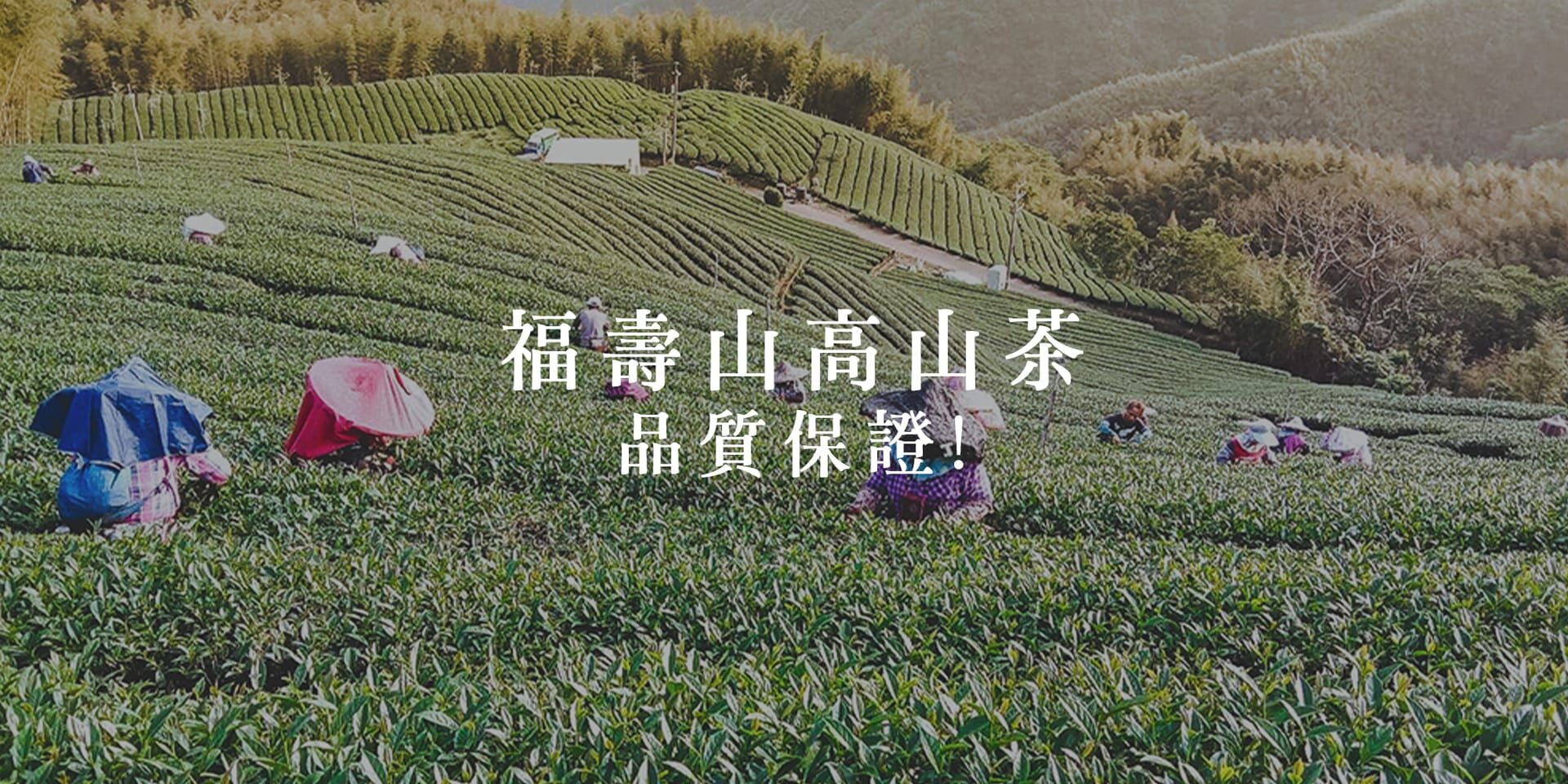
Because Fushoushan Tea is produced in small quantities and commands a high price, counterfeiting is even more rampant here than with Alishan tea. Some "Fushoushan Tea" sold for just a few hundred NTD per jin is almost certainly not the real thing. How do you tell the difference?
| Criterion | Authentic Fushoushan Tea | Reason for Suspicion |
|---|---|---|
| Appearance | Tightly rolled semi-ball shape; thick, fleshy leaves; visible white down; deep glossy green | Thin or small leaves; yellowish or dull coloring |
| Liquor Color | Bright golden yellow, clear and transparent to the bottom | Murky, dark, or pale |
| Aroma | Cool floral-fruit notes with a mineral undertone; fragrance is persistent and enduring | Thin aroma, or off-notes of staleness or mustiness |
| Taste | Viscous mouthfeel; deep, long-lasting sweetness on the finish; holds flavor for 7+ steepings | Thin and watery; flavor gone after 3–4 steepings |
| Price | Typically several thousand NTD per jin or more; be cautious below this range | Conspicuously low price marketed as "authentic Fushoushan" |
Our advice: Do not chase a bargain when buying Fushoushan Tea. It is better to buy a smaller quantity of tea genuinely grown above 2,400 meters than to spend the same money on a large bag of dubious origin. If a tea seller is willing to tell you exactly where the garden is, who made it, and can point to a traceability label, that transparency is usually a reliable indicator of legitimacy.