You open the tea tin and realize the tea inside has been sitting there for over half a year. You want to drink it, but you are afraid it might upset your stomach—so it ends up sitting there for another month.
A lot of people have been in this situation.
Tea does not spoil as obviously as milk, and it does not grow a patch of green mold like bread, so people often hesitate over whether it is still safe to drink.
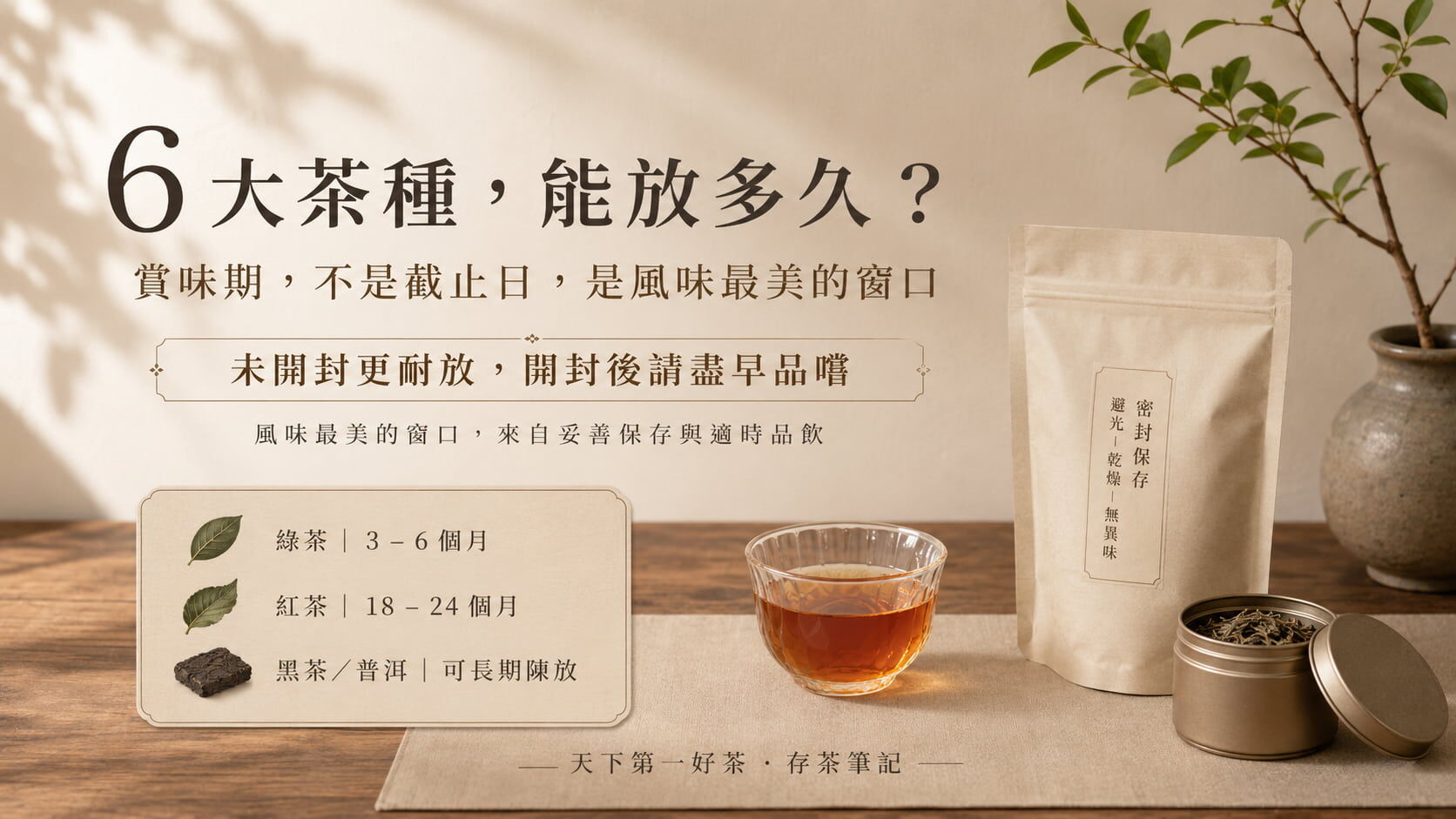
In reality, whether tea is “expired” cannot be judged by the date on the package alone. How it is stored, the type of tea, and how it is handled after opening all affect its actual shelf life. This article will walk you through how to judge it, store it properly, and reuse it, so you know exactly what to do when tea has gone past its date.
Do you have tea at home that has been sitting around too long? This article will show you how to handle it. Or you can simply replace it with fresh tea:
See This Month’s Fresh Arrivals →1. What Happens When Tea Expires
Tea does not suddenly “go bad” like fresh food. Its changes happen gradually. As time passes, you will notice changes in three areas:
Flavor is the first thing to declineThis is usually the first change people notice. The original fresh fragrance and floral-fruity notes gradually fade, replaced by a dull, stale character. The brewed tea may taste more bitter or slightly sour, losing its original sweetness and layers. It simply no longer tastes fresh.
Its beneficial compounds also decrease over time.Catechins, tea polyphenols, and vitamin C—the most valuable compounds in tea—gradually diminish through oxidation. Tea stored for over a year may retain only about half the antioxidant power of fresh tea, leaving little of its original wellness value.
Safety depends on how the tea has been stored.If the tea has remained well sealed and stored in a dry place, it is usually not harmful even after the best-before date. But if it has been exposed to moisture or repeatedly opened and exposed to air, mold or bacteria may develop, potentially causing anything from stomach discomfort to health risks.
2. Storage Methods and Important Notes
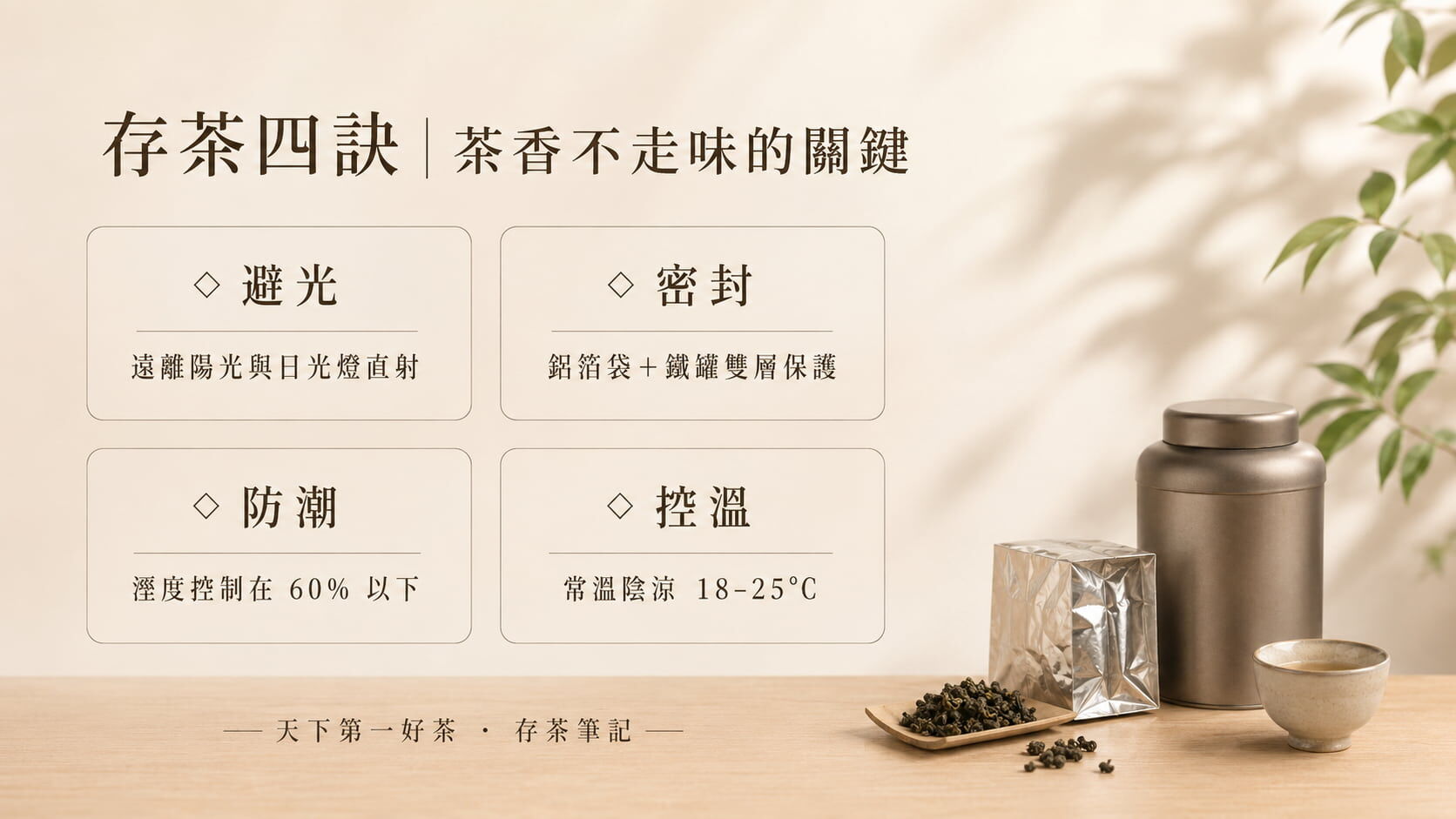
Good storage habits can extend tea’s best flavor window by several times. Master the following five principles and you will avoid most common mistakes:
3. How to Tell Whether Tea Has Expired
The date on the package is only a reference. To really judge whether tea is still drinkable, rely on your eyes, nose, and fingertips.
1. Visual Inspection
Fresh tea leaves have rich color and clearly defined shape—green tea appears vibrant green, while oolong is dark green or brownish. If the tea looks noticeably dull overall, has lost its luster, shows white spots on the surface, or has leaves stuck together in clumps, these are signs of deterioration and it is not recommended for drinking.
2. Aroma Check
Place a small handful of tea in your palm, cover it lightly with your other hand, breathe warm air into it, and then smell it closely. Good tea, even after some time, should still carry a faint tea fragrance or roast note. But if you smell something sour, moldy, or simply strange, do not hesitate—throw it away.
3. Label Check
The shelf-life date on the packaging usually assumes the tea is unopened. Loose-leaf tea is best finished within two to three months after opening, while well-sealed tea bags can last longer. If it is already more than a year past the labeled date, even if it still looks and smells acceptable, most of its nutritional value is already gone.
4. Review the Storage Conditions
Think back on what this tea has been through: Did it sit in a hot, humid kitchen all summer? Was it opened again and again without being properly sealed? Poor storage conditions can cause tea to lose flavor early or even deteriorate before the labeled shelf life ends.

4. Creative Uses for Expired Tea
If you have confirmed the tea is no longer suitable for drinking, do not rush to throw it in the trash. Tea’s natural compounds—tannic acid, tea polyphenols, and caffeine—can still be very useful in daily life.
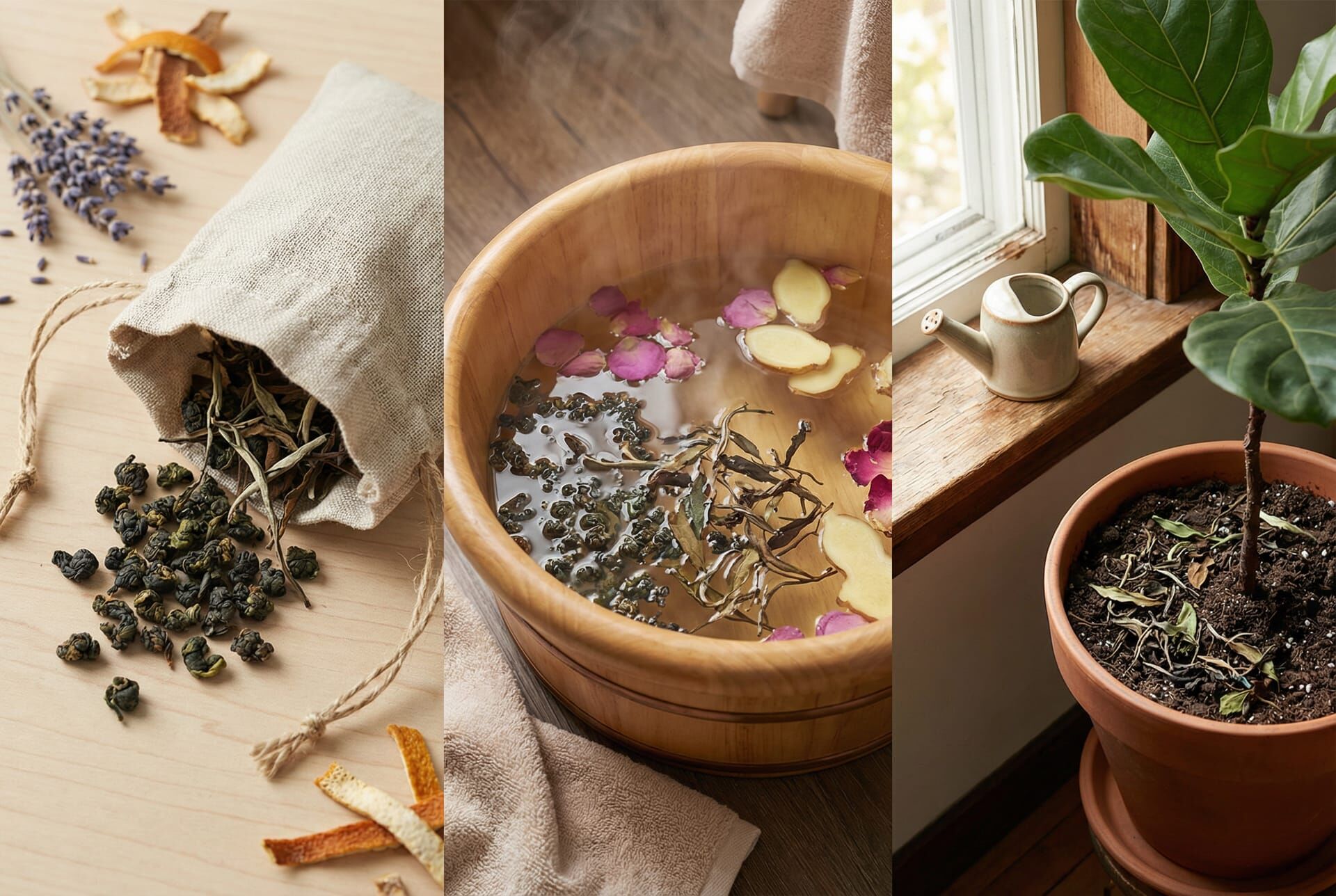
- Natural deodorizer.Place dried tea leaves into a breathable pouch and put it in the refrigerator, shoe cabinet, or wardrobe to absorb odors effectively. The effect usually lasts about two to three weeks, after which you can replace it with a fresh batch. It works almost as well as store-bought activated charcoal and leaves behind a light tea fragrance.
- For baths or foot soaks.Put the tea into a cotton bag and toss it into the bathtub or foot-soak basin. Tea polyphenols have mild antibacterial and soothing properties, and your skin may feel smooth and comfortable afterward. Green tea and oolong are especially suitable for this use.
- A gardening helper.Used tea leaves contain nutrients plants need, such as nitrogen, potassium, and phosphorus. After drying them, you can mix them into potting soil or compost to improve soil structure and drainage. Do not use too much, and always dry them first—spreading them wet on top of soil can easily lead to mold.
- For adding aroma to cooking.Expired tea that has not developed mold still retains some aroma. Brewing tea eggs with black tea is a classic use, and mixing oolong tea leaves into dough for tea-scented cookies also works well. As long as the tea has not spoiled and still smells basically like tea, it can be used.
Expired tea works well for deodorizing or foot soaks, but honestly, the aroma and benefits of fresh tea are on a completely different level.
Back to Fresh Tea →Conclusion | How to Handle Expired Tea Properly
At the end of the day, it usually comes down to two things: buying too much and storing it poorly.
Buying more than you can finish, leaving it out after opening, or letting it sit damp in a kitchen corner—these are the real reasons tea “retires” too early.
A few simple habits can help you avoid waste: buy only a suitable amount each time, transfer it to a sealed container as soon as it is opened, and store it in a cool, dry place. If it has been sitting too long, first judge its condition by looking, smelling, and touching it. If it seems fine, keep drinking it; if you have doubts, repurpose it for household use.
Tea rewards those who treat it with care. Store it carefully, drink it thoughtfully, and the flavor really is different.