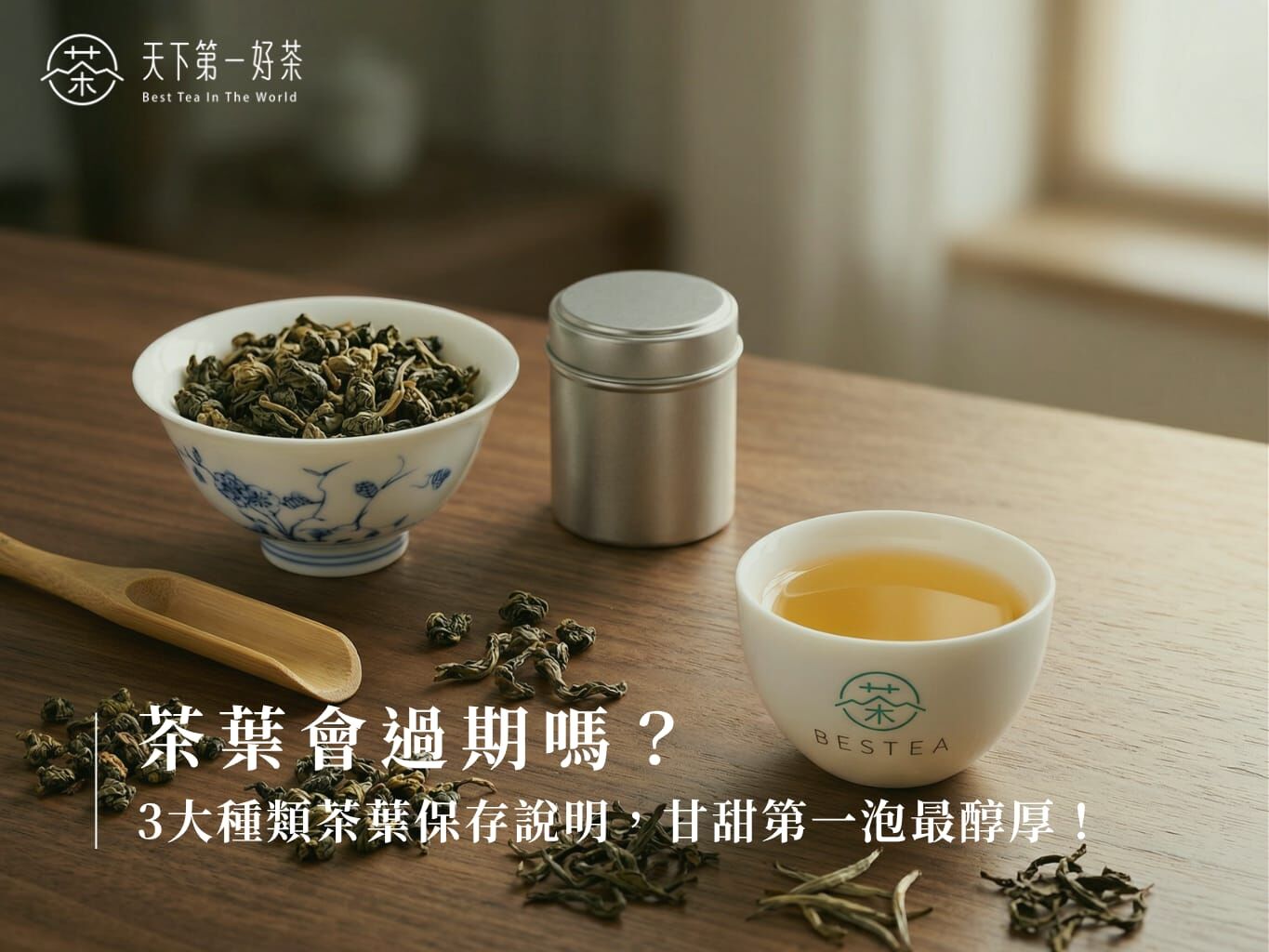
 Green tea, oolong tea, black tea—why do teas made from the same plant taste so different? The key lies in the degree of oxidation and the level of roasting.
The higher the oxidation level, the deeper the tea liquor color usually becomes, and the richer the flavor tends to be. Combined with different roasting levels, this creates completely different aromas and taste profiles. This article starts with the most basic tea classifications, helping you choose and brew tea with more clarity.
Not sure which tea suits you? Start with flavor characteristics—the easiest way to choose without going wrong.
Choose tea by flavor profile →What Types of Tea Are There? Three Main Categories by Oxidation Level
Tea can generally be divided into three types by oxidation level: low oxidation, partial oxidation, and high oxidation. Oxidation affects the color of the tea liquor, its taste, and its aroma, making it one of the most common clues for understanding tea flavor.
Besides oxidation, the level of roasting also affects tea flavor—light roasting preserves freshness and floral notes, while heavy roasting is more likely to bring out ripe fruit, caramel, or roasted aromas. Together, these two dimensions explain why even teas within the same oolong category can taste so different.
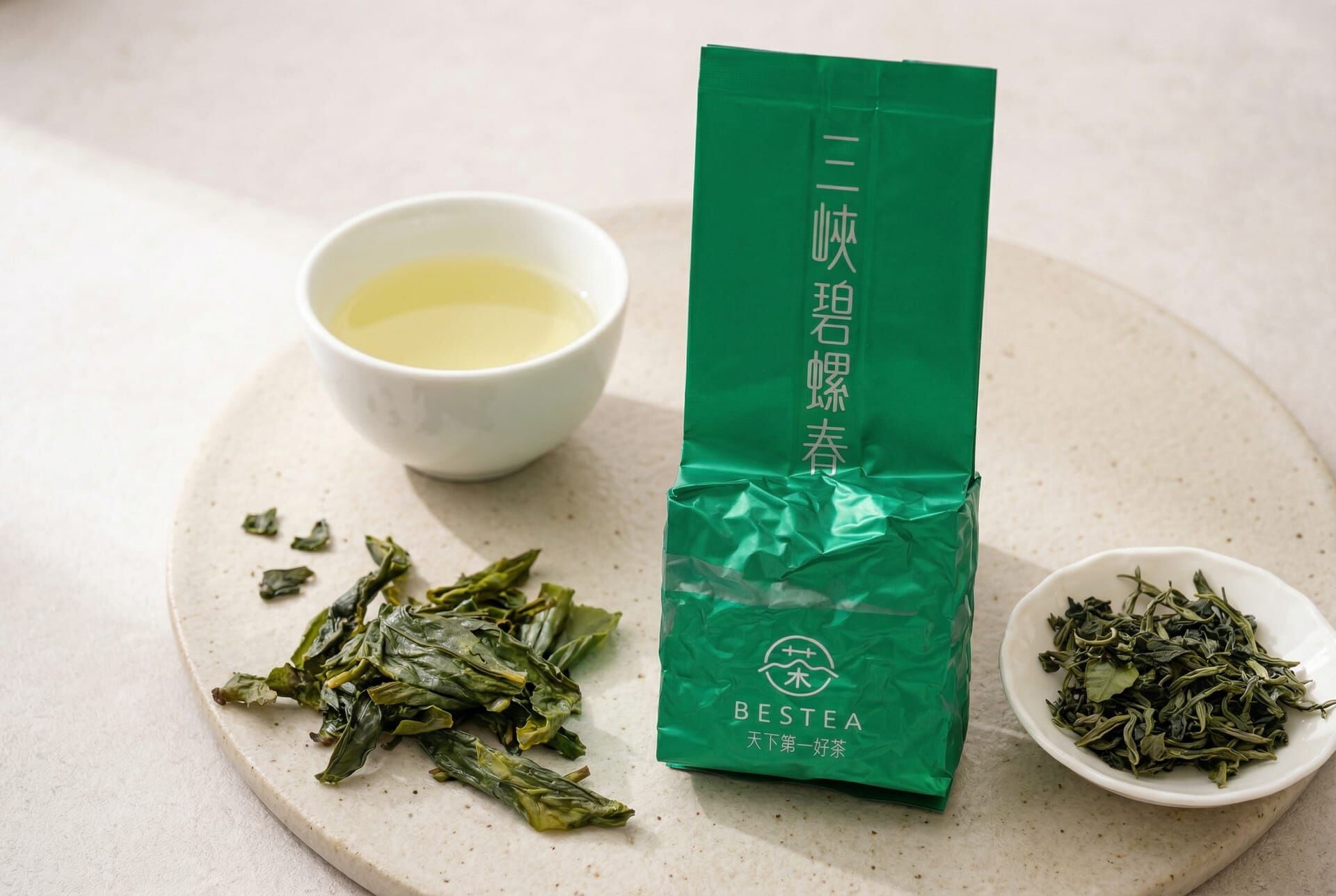
Unfermented | Green Tea, Bi Luo Chun, Longjing
During production, the leaves go through a high-temperature fixing process that halts further oxidation, preserving more of their original green color. The liquor is light in color and often carries fresh grassy notes and a clean, refreshing character. If caffeine matters to you, it is still best to judge further based on tea type, leaf tenderness, and brewing method.
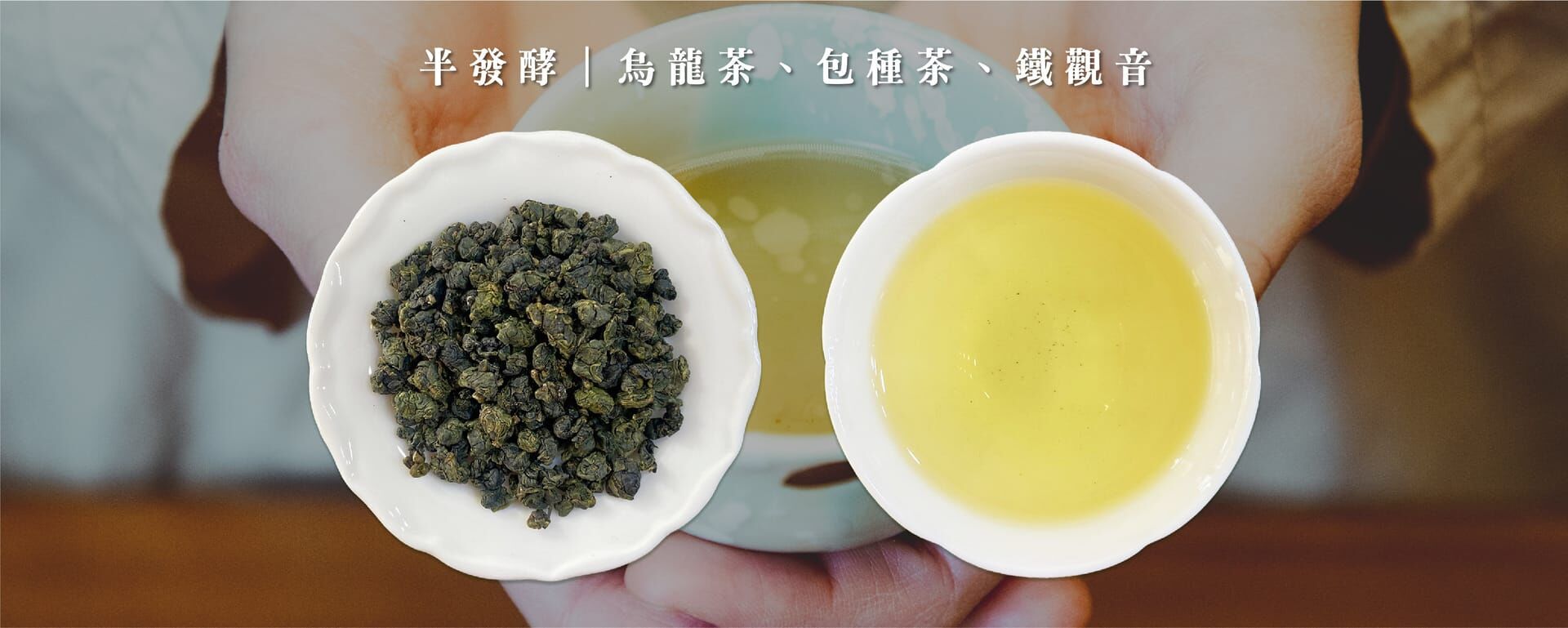
Partially Oxidized | Oolong Tea, Baozhong Tea, Tieguanyin
After picking, these teas first go through withering and partial oxidation, then a high-temperature fixing process stops further change. This category has an especially wide flavor range—light oxidation brings elegant floral notes, while heavier oxidation may show ripe fruit aromas, honey fragrance, and a fuller body. Oolong tea is the most iconic representative of this category.
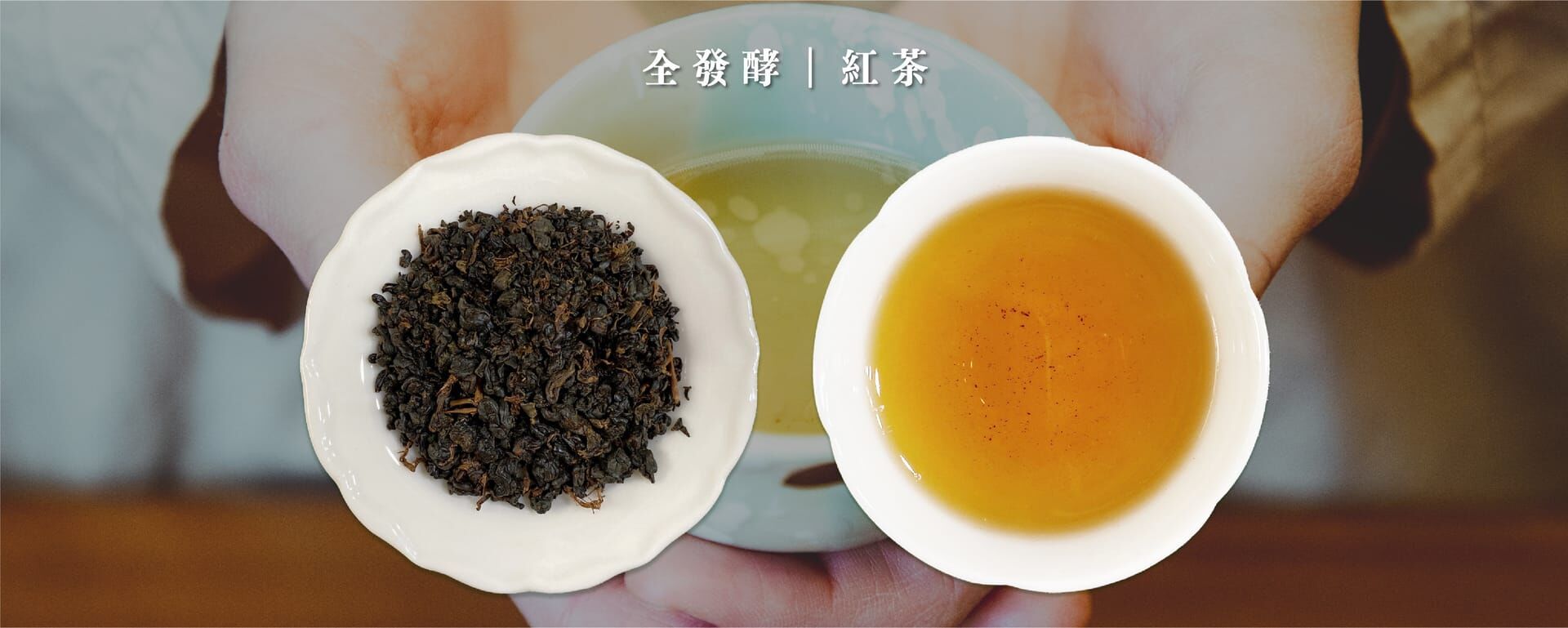
Fully Oxidized | Black Tea
Black tea typically shows a fuller degree of oxidation, with a bright reddish liquor and a more pronounced aroma and flavor. It is well suited for those who enjoy a stronger tea character, and it is also a favorite for many people looking for a morning boost.
The Difference Between Raw Tea and Roasted Tea
In Taiwanese tea, “raw tea” and “roasted tea” are often used to describe roasting level, which is different from oxidation level.
Raw tea (lightly roasted or unroasted) retains more of the tea’s original fresh and floral character, with a lighter liquor color. Roasted tea (heavily roasted), on the other hand, develops through roasting and is more likely to bring out caramel, ripe fruit, roasted chestnut, or charcoal-roasted aromas. Its liquor is usually deeper in color, and the mouthfeel is steadier and fuller. Neither is better—the key is simply the flavor direction you prefer.
Want to master water temperature, steeping time, and tea-to-water ratio? Brew every infusion deliciously.
See brewing tools and guides →A quick note: the “raw tea” and “roasted tea” mentioned in this article mainly refer to roasting-style differences common in Taiwanese tea, which are different from the raw and ripe classifications used for pu-erh tea.
How Should Tea Be Stored?
Tea has three main enemies: moisture, light, and heat. Follow these simple points to keep the flavor more stable:
Conclusion
Once you understand oxidation levels and roasting differences, it becomes much easier to find the tea that suits you. If you like something light and refreshing, start with green tea; if you prefer complexity and a sweet aftertaste, oolong tea is often more captivating; if you want something rich and full-bodied, black tea offers another kind of daily companionship.
Choose the right tea, and store it the right way—every infusion will come closer to the flavor you are looking for.


