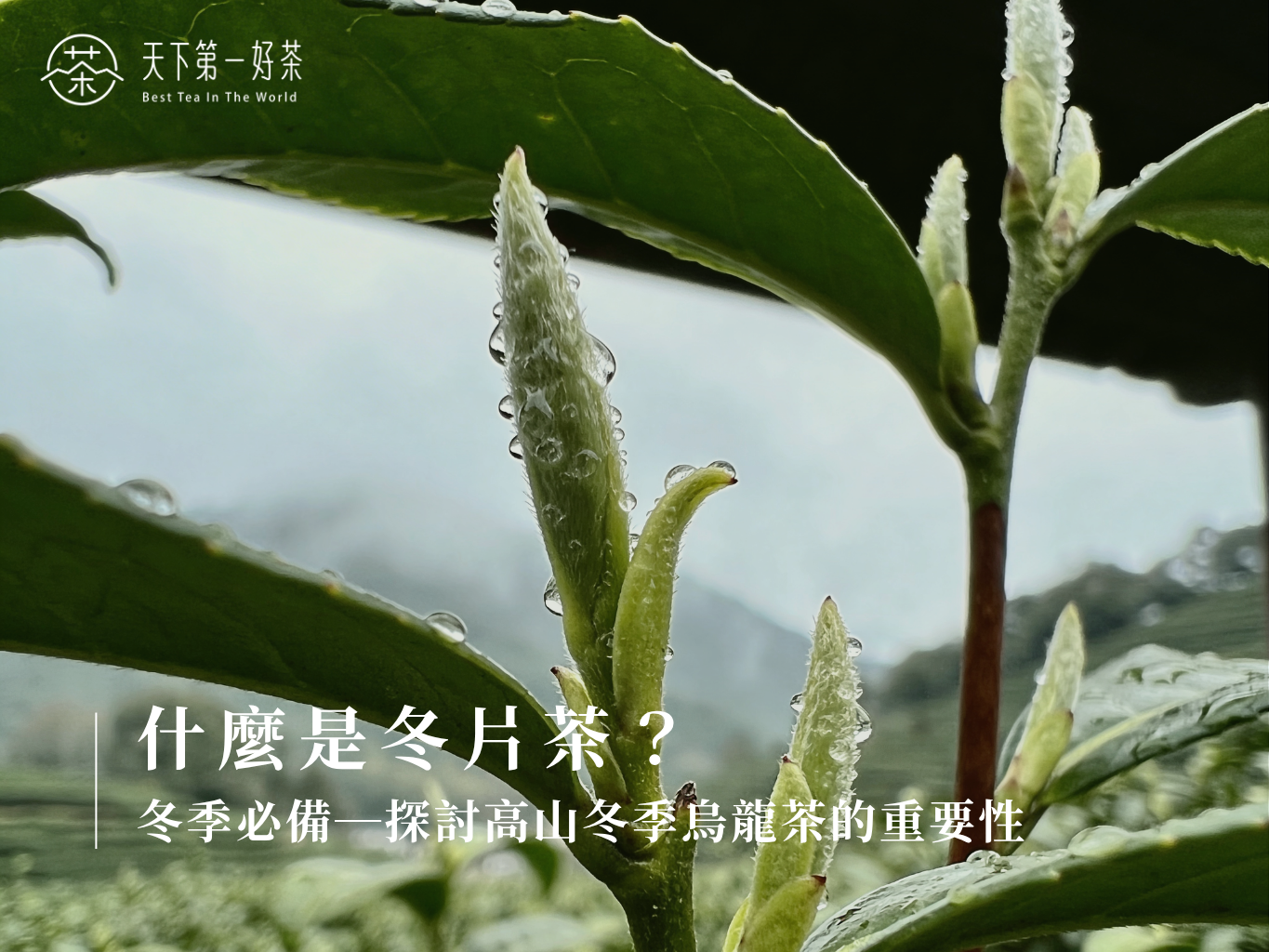
The winter tea harvest had already ended, and tea farmers thought that was it for the year—unexpectedly, a few tea trees quietly sprouted again in the low temperatures of late November. This is winter sprout tea, a highly seasonal and distinctive tea among Taiwan’s high-mountain teas.
Winter sprout tea is also known as “Dong Zai Tea,” and in some regions it has other local names. It does not appear every year; it only emerges when the climate is right. Precisely because of this, it has long held a special “rare and fortunate to encounter” status among lovers of Taiwan high-mountain tea.
CONTENTS
Key Points of This Article
1. The origin and uniqueness of winter sprout tea
2. The flavor profile of winter sprout tea
3. Why is winter sprout tea considered rare?
4. Brewing suggestions
Notevery year
Depends on the climate
Evensmaller quantity
Usually less than regular winter tea
11–12Conditional appearance
Only possible in a warm winter
The Origin and Uniqueness of Winter Sprout Tea
Taiwan high-mountain tea is generally harvested in spring, summer, autumn, and winter. Winter sprout tea, however, is an unexpected gift after the winter tea harvest—between about mid-November and December each year, a small number of tea trees may sprout again under the right warm-winter conditions, allowing tea farmers to complete one more harvest before the true onset of winter.
This phenomenon does not occur every year and depends entirely on the climate of that year. It cannot be pre-ordered, and it cannot be guaranteed; sometimes, it simply happens to be this year.
Regular Winter Tea
Normal winter harvest
・Harvested every year
・Picked in October–November
・Relatively stable yield
Limited
Winter Sprout Tea
Sprouts again after winter tea
・Appears depending on climate conditions
・Picked in late November–December
・Yield is usually noticeably lower than regular winter tea
The Flavor Profile of Winter Sprout Tea
Winter sprout tea has an elegant and gentle aroma, often carrying light floral notes and natural sweetness. Grown under low-temperature conditions, winter sprout tea is often considered softer on the palate, with a more pronounced sweetness, and the tea liquor is usually clear and bright.
Aroma
Elegant floral fragrance
Light and gentle, not intense but with a long lingering finish
Taste
Smooth and lingering
Sweetness stands out, with an overall delicate and gentle character
Liquor Color
Clear and bright
Light and refined in color, clear in the light
“If regular high-mountain oolong is a richly layered symphony, winter sprout tea is more like a quiet solo—its aroma is not intense, but its lingering finish is long.”
The delicate sweetness of winter sprout tea often brings to mind the soft expression created by low-temperature growing conditions. To learn more about the flavor profile of high-mountain oolong:
Read the full guide to high-mountain oolong → Why Is Winter Sprout Tea Considered Rare?
1
Climate is uncontrollable
Not every winter is warm enough, so winter sprout tea does not appear every year. Some years have none at all, and it cannot be pre-ordered or guaranteed.
2
Lower yield
Even when it appears, the yield is usually small, so it attracts strong attention from winter sprout tea lovers every year once it becomes available.
3
Its flavor cannot be replicated
That low-temperature sprouting period is unique, creating a delicate sweetness rarely found in other seasons. This is also what makes winter sprout tea so precious.
This season’s winter sprout tea is now available
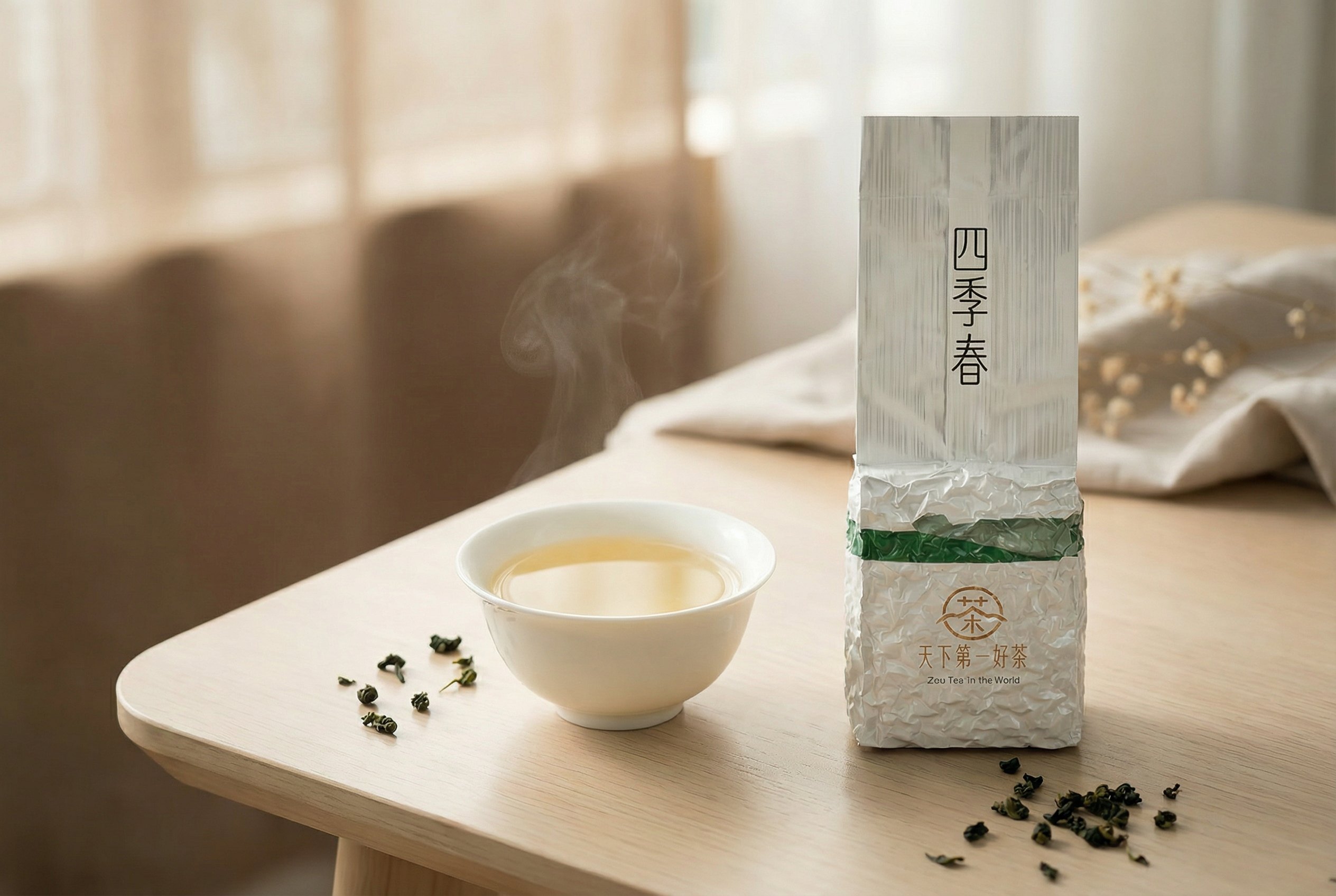
Limited every year—miss it, and you will have to wait until next year. If it appears this year, then now is the time. BESTEA’s Four Seasons Spring winter sprout tea comes from Songboling, Nantou (about 500m). Both loose tea and gift boxes are available, suitable for gifting or personal enjoyment.
 Brewing Suggestions for Winter Sprout Tea
The aroma of winter sprout tea is delicate, so water temperature is key. It is recommended to brew it at about 90–95°C, slightly lower than regular high-mountain oolong—if the water is too hot, the elegant floral notes may dissipate too early, leaving a thicker body but losing that airy lightness.
Water Temperature
90–95°C
Tea-to-Water Ratio
About 1:20
First Infusion
About 50–60sec
Number of Infusions
About 4–6 times
It is recommended to use a gaiwan or a small porcelain teapot. White porcelain allows the clear liquor color of winter sprout tea to be fully appreciated, and the aroma is easier to perceive directly. Extend each infusion by 5–10 seconds, and experience how the fragrance gradually shifts from light floral notes to a mellow, sweet finish.
FREQUENTLY ASKED
Frequently Asked Questions
Q What is the difference between winter sprout tea and winter tea?
Winter tea is tea harvested during the normal winter season; winter sprout tea is a special batch that sprouts again after the winter tea harvest. Winter sprout tea is often considered sweeter, softer, and lower in bitterness and astringency than regular winter tea.
Q For what occasions is winter sprout tea suitable?
Winter sprout tea has a delicate aroma and gentle flavor, making it ideal for quiet appreciation. Reading alone, an afternoon break, or serving an important guest—this is not a tea for rushing; it is best enjoyed when you have time to drink it slowly.
Q How should winter sprout tea be stored?
Keep it sealed in a cool, dry place, away from direct sunlight and strong odors. After opening, it is recommended to drink it as soon as possible, and the flavor is usually best if finished within a few weeks.
KEEP READING
You May Also Like
WINTER'S TREASURE
Winter sprout tea does not appear every year—sometimes, that moment is now.
Released in limited quantities each year—miss it, and you will have to wait until next year. Whether for personal enjoyment or as a gift, it is a very fitting choice for this winter.


