{{ 'fb_in_app_browser_popup.desc' | translate }} {{ 'fb_in_app_browser_popup.copy_link' | translate }}

{{ 'in_app_browser_popup.desc' | translate }}

🍃 Mountain spring is here | Fresh spring tea now in stock

Your Shopping Cart is empty.
{{ (item.variation.media ? item.variation.media.alt_translations : item.product.cover_media.alt_translations) | translateModel }} {{ (item.variation.media
                    ? item.variation.media.alt_translations
                    : item.product.cover_media.alt_translations) | translateModel
                }}
{{ 'product.bundled_products.label' | translate }}
{{ 'product.bundle_group_products.label' | translate }}
{{ 'product.buyandget.label' | translate }}
{{ 'product.gift.label' | translate }}
{{ 'product.addon_products.label' | translate }}
{{item.product.title_translations|translateModel}}
{{ field.name_translations | translateModel }}
  • {{ childProduct.title_translations | translateModel }}

    {{ getChildVariationShorthand(childProduct.child_variation) }}

{{ 'product.set.open_variation' | translate }}
  • {{ getSelectedItemDetail(selectedChildProduct, item).childProductName }} x {{ selectedChildProduct.quantity || 1 }}

    {{ getSelectedItemDetail(selectedChildProduct, item).childVariationName }}

{{item.variation.name}}
{{item.quantity}}x NT$0 {{ item.unit_point }} Point
{{addonItem.product.cover_media.alt_translations | translateModel}}
{{ 'product.addon_products.label' | translate }}
{{addonItem.product.title_translations|translateModel}}
{{addonItem.quantity}}x {{ mainConfig.merchantData.base_currency.alternate_symbol + "0" }}

How to Spot Real High Mountain Tea: A 5-Step Guide

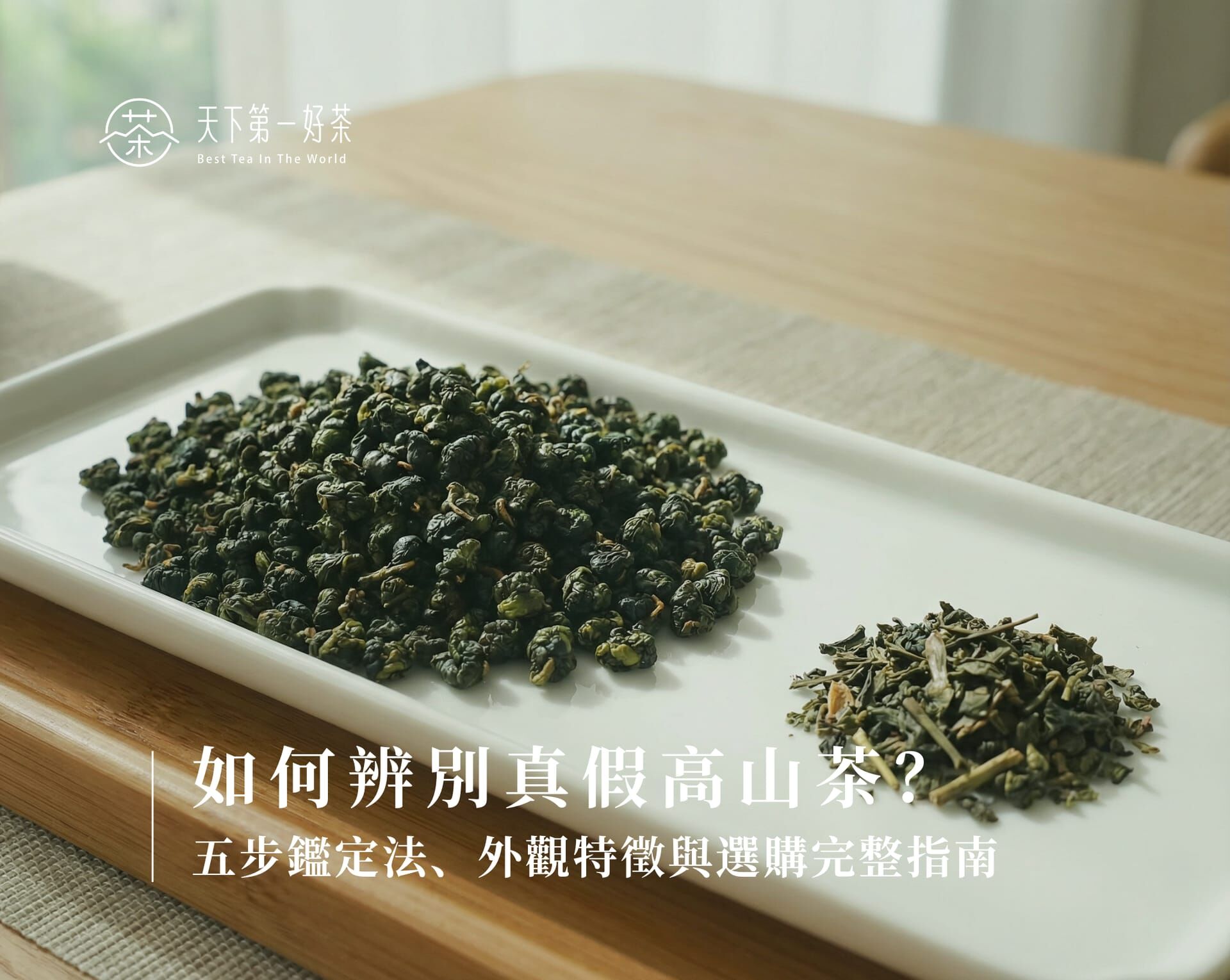
如何辨別真假高山茶?

Identifying the origin and quality of high-mountain tea is a challenge many tea enthusiasts encounter. While it's difficult to determine authenticity based on a single clue alone, there are several common approaches that can help you improve your judgment and avoid teas with unclear origins or inconsistent quality.

CONTENTS
Key Highlights
1. Reading Clues from Aroma
2. Appearance & Leaf Shape Reference
3. Harvesting & Tea Processing
4. Five Practical Assessment Steps

Reading Clues from Aroma

High-mountain tea typically presents a more natural, elegant aroma with noticeable layers. It's recommended to first smell the dry leaves, then smell again after brewing — whether the aroma is natural and layered is one of the most important reference points when purchasing.

Common Traits of High-Mountain Tea
Elegant, natural floral-fruity aroma with clear layering. The aroma transitions naturally before and after brewing, the tea liquor feels clean overall, and the sweet aftertaste lingers longer.
Worth Extra Attention When Buying
When the aroma is overly intense or unnatural and the overall tea liquor feels unbalanced, it's worth paying closer attention to the origin information and product description.

Appearance Comparison

Complete Leaves
High-mountain tea typically features tightly rolled leaves with a uniform appearance, without excessive broken pieces or impurities.
Even Color
The color is usually natural and uniform with a healthy sheen — not dull. Consistency across the batch is also typically higher.
Thick Leaves
In the cool temperatures of high altitude, tea leaves grow more slowly, often giving an impression of thicker, more substantial leaf texture.
Red Edges
Some oolong tea leaves show reddish edges when brewed — often considered a clue to processing and oxidation quality, but it cannot be used alone to determine whether a tea is truly high-mountain.

Common Appearance Clues Reference

Item
Common in High-Mountain Tea
Signs to Watch For
Leaf Shape
Tightly rolled, uniform appearance
Wide size variation, excess broken pieces
Surface Texture
Clean appearance, high integrity
Noticeably rough/crushed, overall uneven
Leaf Tip Shape
Generally consistent leaf form
Irregular shapes, low completeness

Don't want to take chances? BESTEA provides origin documentation, SGS pesticide residue testing information, and 100% Taiwan high-mountain whole leaf tea.

View SGS Testing Information →

Harvesting & Tea Processing

High-mountain tea is commonly harvested in spring and winter, with one-bud-two-leaf tender shoots being the typical standard. The process includes sun withering, indoor resting, fixation, rolling, oxidation, and roasting — the mastery of each step directly influences the final aroma profile.
Signs of Consistent Processing
When the picking grade is fine and the withering and roasting steps are thorough, the tea liquor is more likely to present the delicate layers expected of high-mountain tea.
Worth Noting When Buying
If the processing is simplified or the picking grade is lower, the tea liquor typically has more difficulty achieving the refined layers expected of high-mountain tea.

高山茶茶湯Five Practical Assessment Steps

1
Examine the Dry Leaves
Uniform color, tightly rolled leaves, and high overall completeness are typically among the more reliable indicators.
2
Smell the Dry Aroma
When the aroma is naturally elegant with clear layers, it's generally worth exploring further; if the aroma is overly intense or unnatural, extra caution is warranted when purchasing.
3
Observe the Tea Liquor
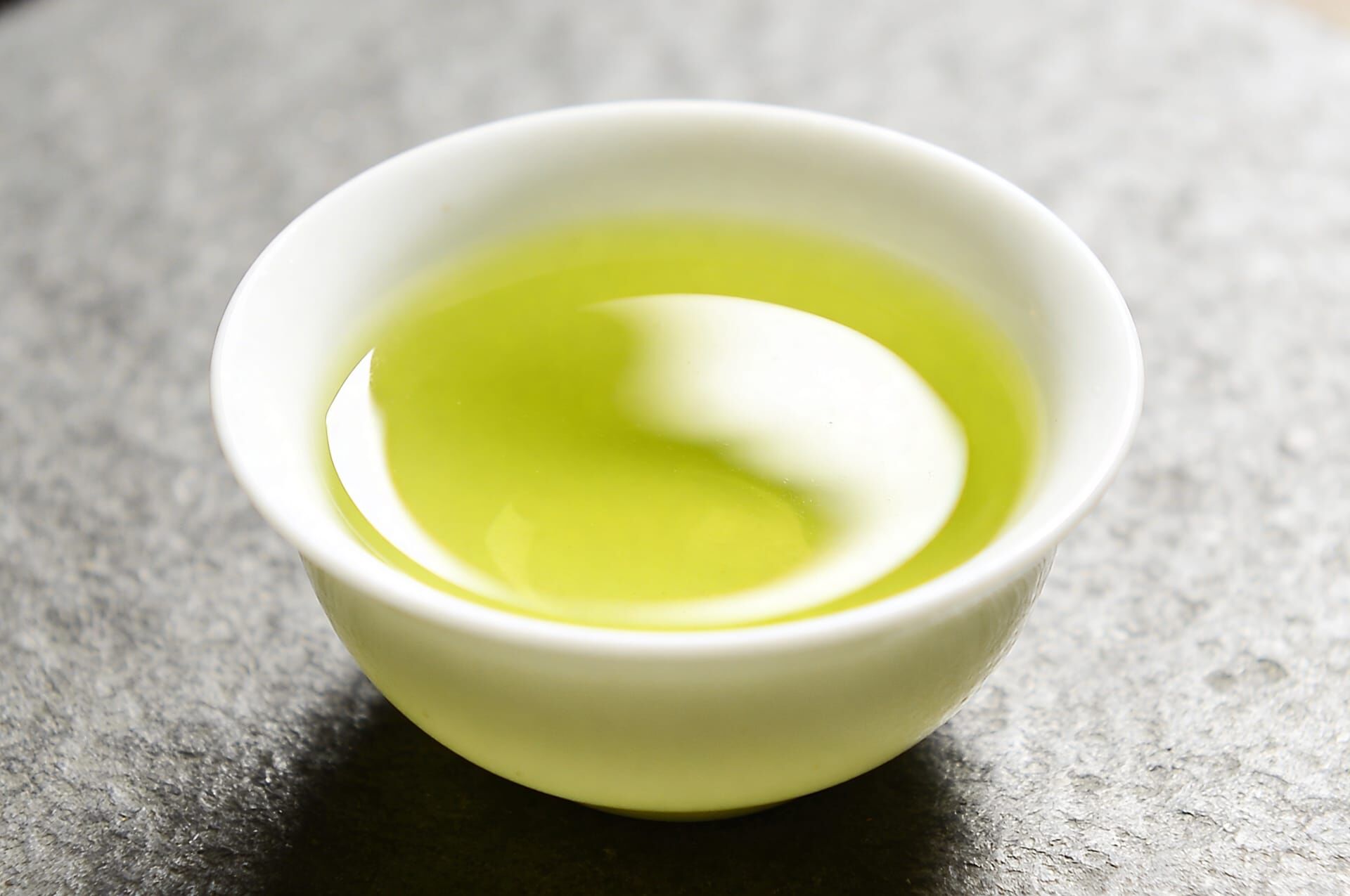
A clear, bright, and even liquor is typically a sign of consistent quality; if it's cloudy, it's worth checking the brewing method and the condition of the tea leaves themselves.
4
Taste the Tea
Smooth, sweet, and mellow with a noticeable sweet aftertaste is generally a sign of good tea; however, the duration of the aftertaste can only serve as a reference and cannot alone determine the altitude of origin.
5
Verify Origin Information
Confirm the growing region's altitude (Taiwan high-mountain tea is typically grown at 1,000 meters or above), and prioritize brands that can provide origin information and third-party pesticide testing documentation.
Buy Right to Taste Right
BESTEA provides SGS pesticide residue testing information, origin documentation, and tea garden traceability records — giving you a solid foundation when choosing high-mountain tea.
FREQUENTLY ASKED
FAQ
Q What's the difference between real and fake high-mountain tea?
High-mountain tea is typically grown at elevations of 1,000 meters or above, where slower growth often results in richer aromatic layers, a clearer liquor, and a longer-lasting sweet aftertaste. The most reliable way to identify it is to choose brands that provide origin information and third-party pesticide testing documentation.
Q How can I quickly assess high-mountain tea quality?
Three quick methods: first, check whether the leaves are tightly rolled and uniform; second, smell whether the aroma is naturally fresh; third, taste whether the liquor has a noticeable sweet aftertaste. If the liquor is cloudy, the aroma is overly intense, or it feels unnatural, it's worth paying closer attention to the origin information.
Q Any recommended places to buy?
It's best to choose brands that can provide information on growing region, altitude, and harvest season, along with SGS or other third-party pesticide residue testing documentation. All BESTEA teas come with SGS pesticide residue testing information, and origin details are also available for further inquiry.
BESTEA — AUTHENTIC HIGH MOUNTAIN TEA
Authentic High-Mountain Tea Stands Up to Close Inspection
BESTEA provides SGS pesticide residue testing information, origin documentation, and tea garden traceability records — giving you a solid foundation when choosing high-mountain tea.
KEEP READING
You Might Also Like
Origin Traceability · Quality Promise
BESTEA Origin Traceability: Transparent Quality from Garden to Cup
Learn how BESTEA builds an information foundation for every tea from the source
Government Traceability System
Agricultural Product Traceability System | BESTEA Registration
Official traceability platform by the Agriculture and Food Agency — view BESTEA's product tracing and testing records
Origin Guide
Alishan Zhu Lu Tea: Flavor, Cultivar & Buying Guide
Get to know one of Taiwan's most iconic high-mountain tea regions and its common characteristics
High-Mountain Tea Knowledge
What Is High-Mountain Tea? Why Is It More Popular Than Lowland Tea?
Understand the growing conditions of high-mountain tea to better identify its common characteristics
Buying Guide
What to Know About Drinking High-Mountain Tea: A Complete Guide to Safe Drinking & Buying
After choosing safe tea, master the proper drinking habits to enjoy every cup with peace of mind