{{ 'fb_in_app_browser_popup.desc' | translate }} {{ 'fb_in_app_browser_popup.copy_link' | translate }}

{{ 'in_app_browser_popup.desc' | translate }}

🍃 Mountain spring is here | Fresh spring tea now in stock

Your Shopping Cart is empty.
{{ (item.variation.media ? item.variation.media.alt_translations : item.product.cover_media.alt_translations) | translateModel }} {{ (item.variation.media
                    ? item.variation.media.alt_translations
                    : item.product.cover_media.alt_translations) | translateModel
                }}
{{ 'product.bundled_products.label' | translate }}
{{ 'product.bundle_group_products.label' | translate }}
{{ 'product.buyandget.label' | translate }}
{{ 'product.gift.label' | translate }}
{{ 'product.addon_products.label' | translate }}
{{item.product.title_translations|translateModel}}
{{ field.name_translations | translateModel }}
  • {{ childProduct.title_translations | translateModel }}

    {{ getChildVariationShorthand(childProduct.child_variation) }}

{{ 'product.set.open_variation' | translate }}
  • {{ getSelectedItemDetail(selectedChildProduct, item).childProductName }} x {{ selectedChildProduct.quantity || 1 }}

    {{ getSelectedItemDetail(selectedChildProduct, item).childVariationName }}

{{item.variation.name}}
{{item.quantity}}x NT$0 {{ item.unit_point }} Point
{{addonItem.product.cover_media.alt_translations | translateModel}}
{{ 'product.addon_products.label' | translate }}
{{addonItem.product.title_translations|translateModel}}
{{addonItem.quantity}}x {{ mainConfig.merchantData.base_currency.alternate_symbol + "0" }}

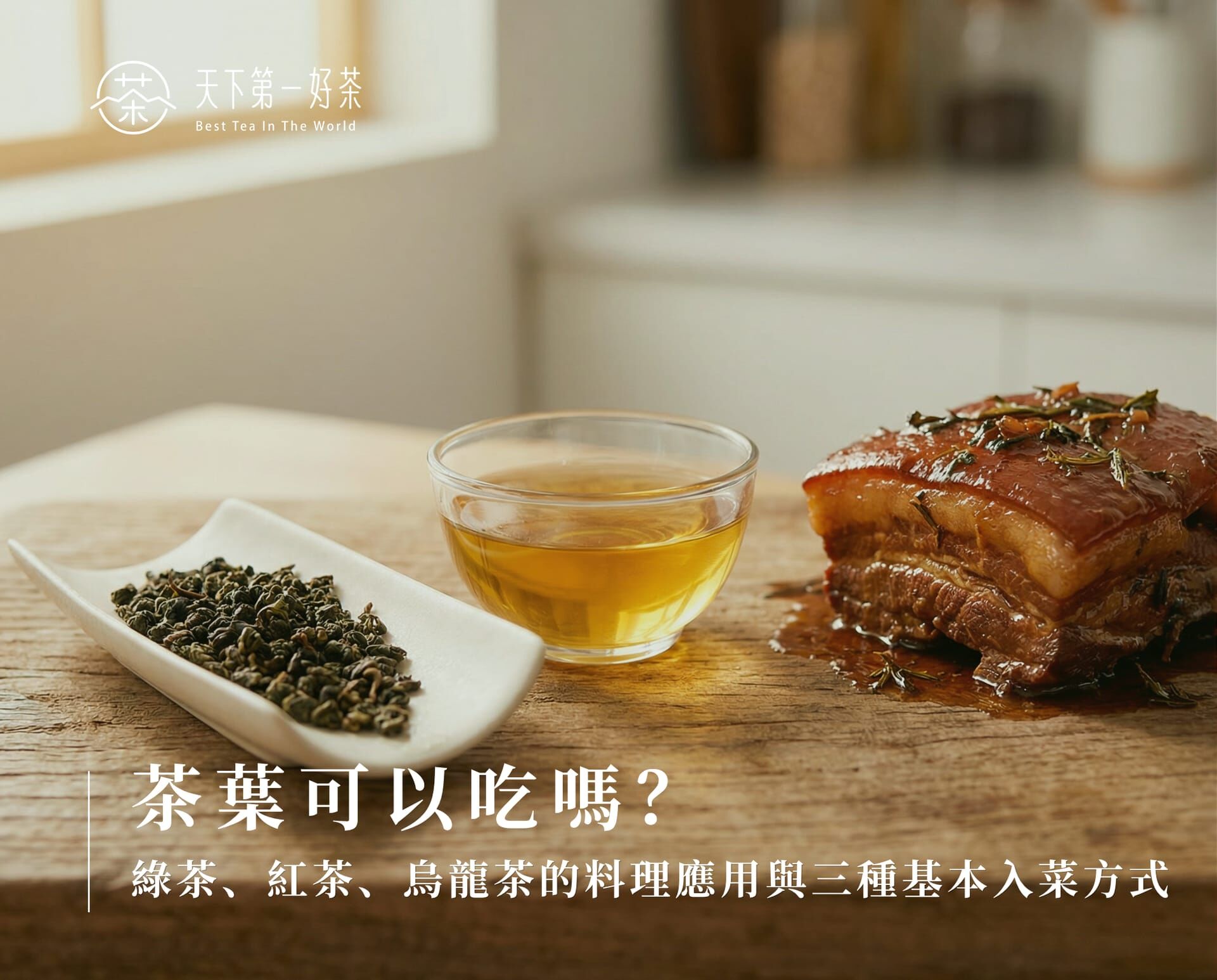
Can You Eat Tea Leaves? Cooking Uses and 3 Methods

Can You Eat Tea Leaves?Tea leaves can do more than just be brewed and drunk—they are also often used in cooking, bringing unique aroma and layers of flavor. From smoking and marinating to desserts and baking, tea has a wider range of culinary applications than many people imagine, and it can add a different kind of detail to everyday dishes.

CONTENTS
Key Points of This Article
1. Common components found in tea leaves
2. Diverse culinary applications and the characteristics of different tea types
3. Three basic ways to cook with tea
4. Frequently asked questions

Common Components Found in Tea Leaves

Tea Components
Tea polyphenols・catechins
One of the important components often discussed in tea leaves, and also related to the flavor expression of tea liquor.
Natural Components
Vitamins C・B2
Among the natural components found in tea leaves, and they are also incorporated when tea is used in cooking.
Trace Components
Calcium・potassium・magnesium
Contains trace components such as calcium, potassium, and magnesium, which are also related to the overall flavor and mouthfeel.
Flavor Perception
Caffeine・theanine
Components that affect flavor and the drinking experience, and when used in cooking, the overall expression is usually gentler as well.

The above is for general dietary knowledge reference and is not medical advice. If you have specific health concerns, please consult a medical professional.

The Diverse Culinary Applications of Tea Leaves

Tea leaves are widely used in cooking, bringing out different aromas in everything from main dishes and soups to desserts. Below are some common ways they are used:

Dish Type
How It Is Used
Meat dishes
Use tea leaves for marinating, smoking, or braising to add aroma and layers to the meat
Soups
Add tea leaves while simmering, such as tea-braised chicken or tea eggs
Desserts
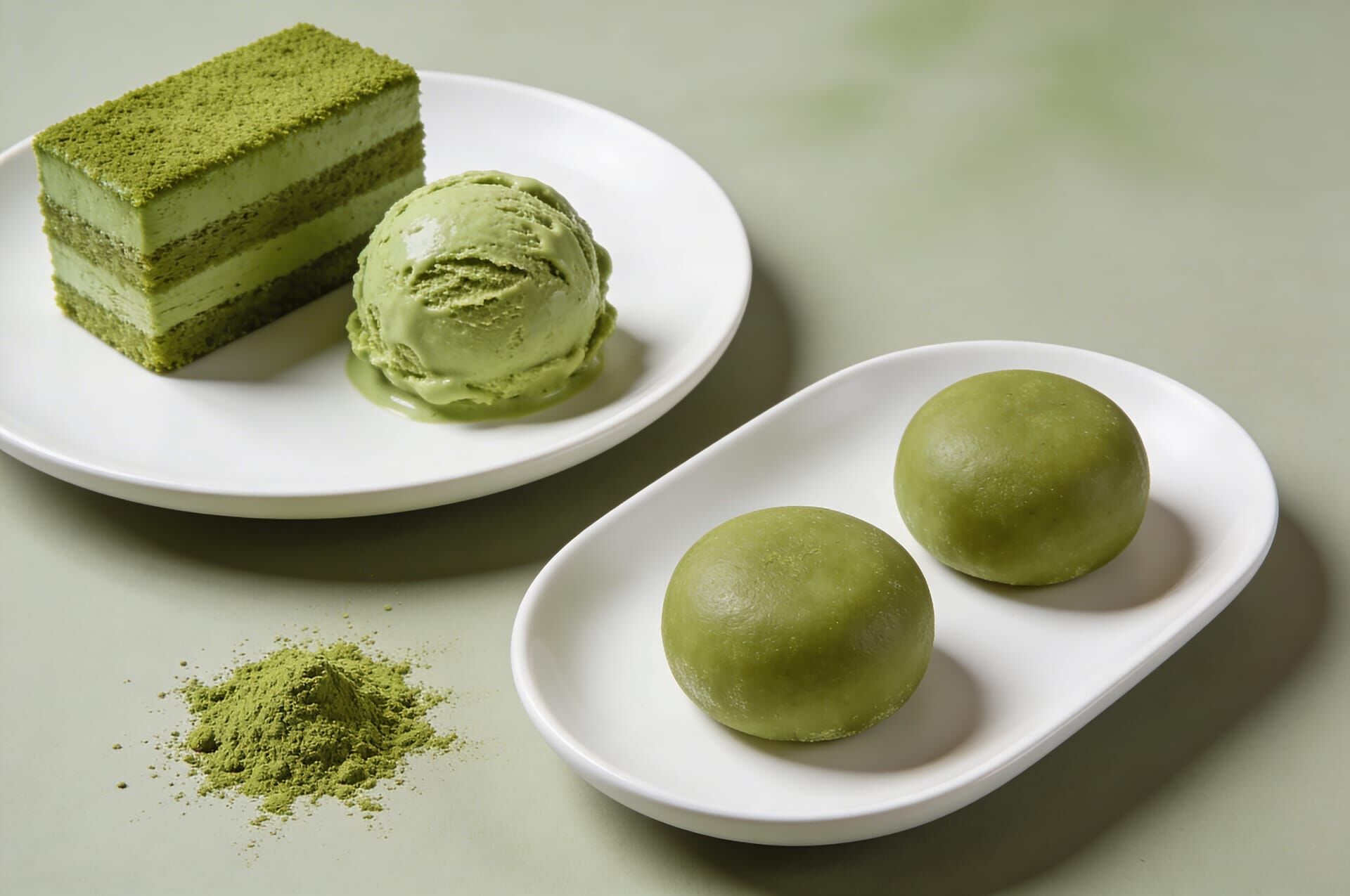
Use matcha or herbal teas to make cakes, ice cream, and other desserts
Sauces
Use black tea in salt or floral tea in oil to make tea-based seasonings

If you plan to cook with tea, it is recommended to prioritize tea with a clear source and inspection information, which makes it more reassuring to use. All BESTEA teas provide SGS inspection information.

Browse all teas →
Culinary Flavor Characteristics of Different Tea TypesThe Culinary Flavor Characteristics of Different Tea Types

Different teas bring different flavor characteristics when used in cooking. Choosing the right tea type will give the dish more layers:

Green tea・matcha
Fresh grassy aroma, suitable for Japanese-style desserts, salad dressings, and ice cream. Less tolerant of high heat, so it is recommended for low-temperature cooking or as a finishing touch.
Black tea
Carries caramel aroma and sweetness, suitable for braised beef, roasted chicken, and savory seasonings. Its aroma usually remains relatively stable even during long cooking.
Oolong tea
Combines floral aroma and sweet aftertaste, suitable for steamed fish, seafood dishes, or light soup bases, without easily overpowering the natural freshness of the ingredients.
Roasted oolong
Has a deep roasted aroma, often paired with richer ingredients such as pork belly or duck, creating a more balanced overall flavor.
White tea
Light tea flavor with delicate fruity aroma, suitable for fresh salads or as a tea broth base, helping preserve the original flavor of the ingredients.

Three Basic Ways to Cook with Tea

1
Add whole leaves while simmering
Place tea leaves directly into a soup pot or stew pot and simmer them together. After removing the leaves, the broth carries a subtle tea aroma. This is best for clear broths or braised dishes, and is the simplest method.
2
Use brewed tea liquid in the dish
First brew the tea leaves with hot water, then use the tea infusion in place of plain water in the dish, allowing the aroma to distribute more evenly. This is suitable for rice, sauces, or soup bases, and is also the easiest way to control intensity.
3
Grind into powder and mix into ingredients
Grind the tea leaves into powder and mix them into dough, butter, or powdered sugar. This is suitable for baking, ice cream, or making tea salt. Matcha is the most common application.
For tea used in cooking, choosing a clearly sourced one is more reassuring
BESTEA carefully selects Taiwanese high-mountain teas with clear flavor profiles and also provides SGS pesticide residue inspection information, making them more reassuring whether for daily drinking or cooking.
FREQUENTLY ASKED
Frequently Asked Questions
Q Can tea leaves really be eaten directly?
If the tea leaves come from a clear source, have inspection information, and are eaten in small amounts, they can usually be used as part of cooking. Matcha powder is the most common form of tea being eaten directly. What needs attention is that the caffeine in tea leaves may still affect how the body feels, so it is not recommended to eat large amounts at one time.
Q What culinary uses do tea leaves have?
Tea leaves can be used for smoking, marinating, soup bases, desserts, seasonings, and tea salt. Different tea types have different aromatic characteristics: green tea and white tea suit lighter dishes, black tea suits braised meats, and roasted oolong pairs well with richer dishes. You can choose according to the needs of the dish.
Q How should tea be used in cooking?
There are three basic methods: simmering whole leaves in the pot, brewing tea liquid and using it in place of water, or grinding the tea into powder and mixing it into ingredients. Simmering whole leaves is the simplest; using brewed tea liquid distributes the aroma most evenly; grinding it into powder is suitable for baking and desserts. It is recommended to start with using brewed tea liquid in the dish, as that is the easiest way to control intensity.
Q Where can I buy tea suitable for cooking?
When cooking with tea, it is recommended to prioritize tea with a clear source and inspection information, which makes it more reassuring to use. All BESTEA teas provide SGS pesticide residue inspection information.
BESTEA — BEYOND THE CUP
Good tea is not only for drinking — it can also elevate your cooking
BESTEA carefully selects teas from Taiwanese production regions with clear flavor profiles, and also provides SGS inspection information, making them more reassuring from drinking to cooking.
KEEP READING
You May Also Like