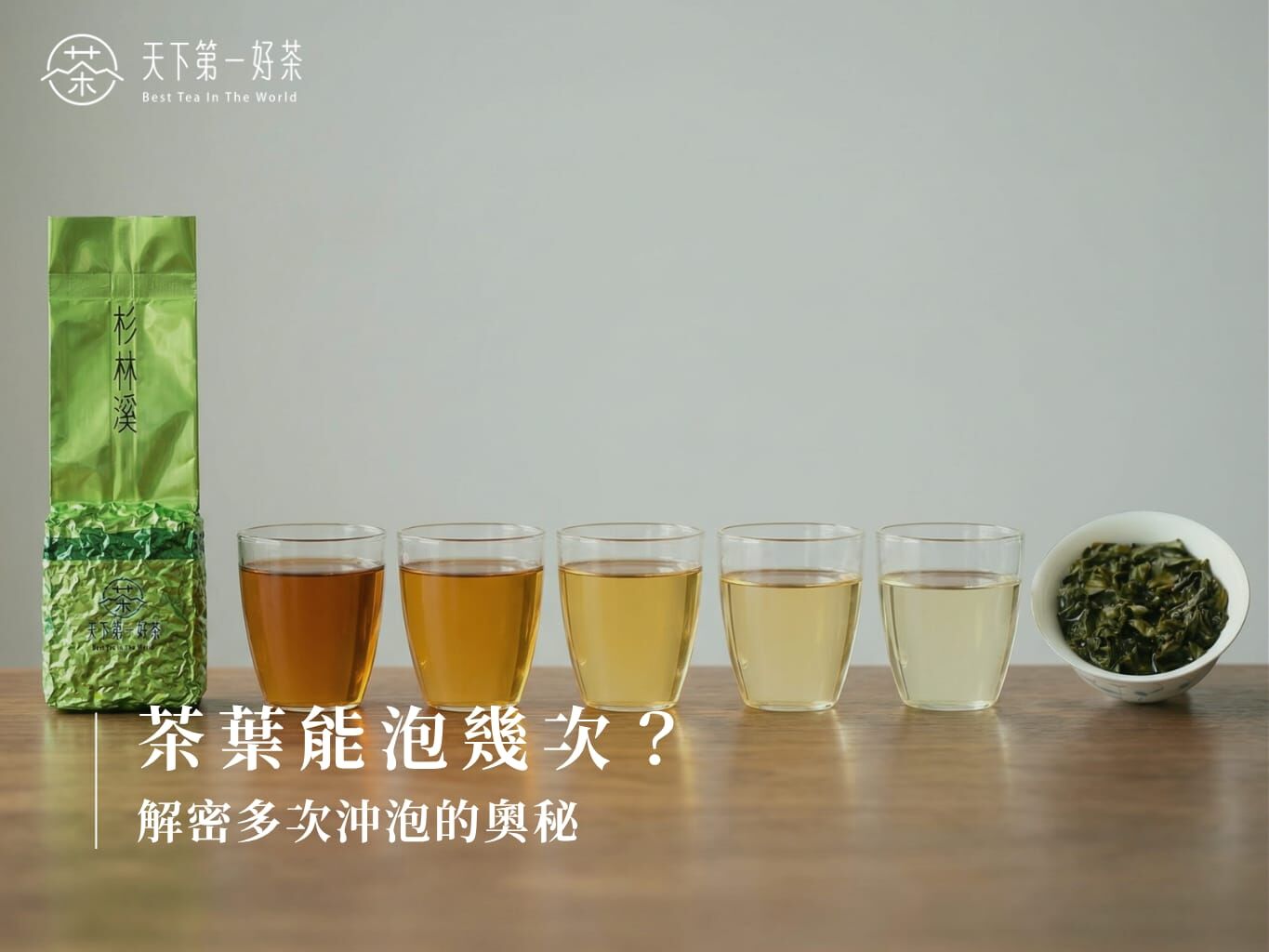
 Oolong tea can be brewed seven or eight times, while green tea may lose its flavor by the third infusion—why is there such a big difference? The answer lies in the type of tea, its processing, and the brewing method. This article explains the key factors that affect how many times tea can be brewed, so every infusion counts.
CONTENTS
Key Points of This Article
1. Three key factors that affect the number of infusions
2. Recommended brewing times for different tea types
3. How to tell if tea leaves can still be brewed
4. Four tips to extend the number of infusions
Three Key Factors That Affect the Number of Infusions
Recommended Brewing Times for Different Tea Types
The following are common reference ranges. Actual results will still vary depending on leaf integrity, roasting level, brewing method, and personal taste.
The third and fourth infusions of alpine oolong are often the most captivating—sweet aftertaste, honeyed notes, and a steadier aroma.
Explore alpine oolong teas →How to Tell If Tea Leaves Can Still Be Brewed
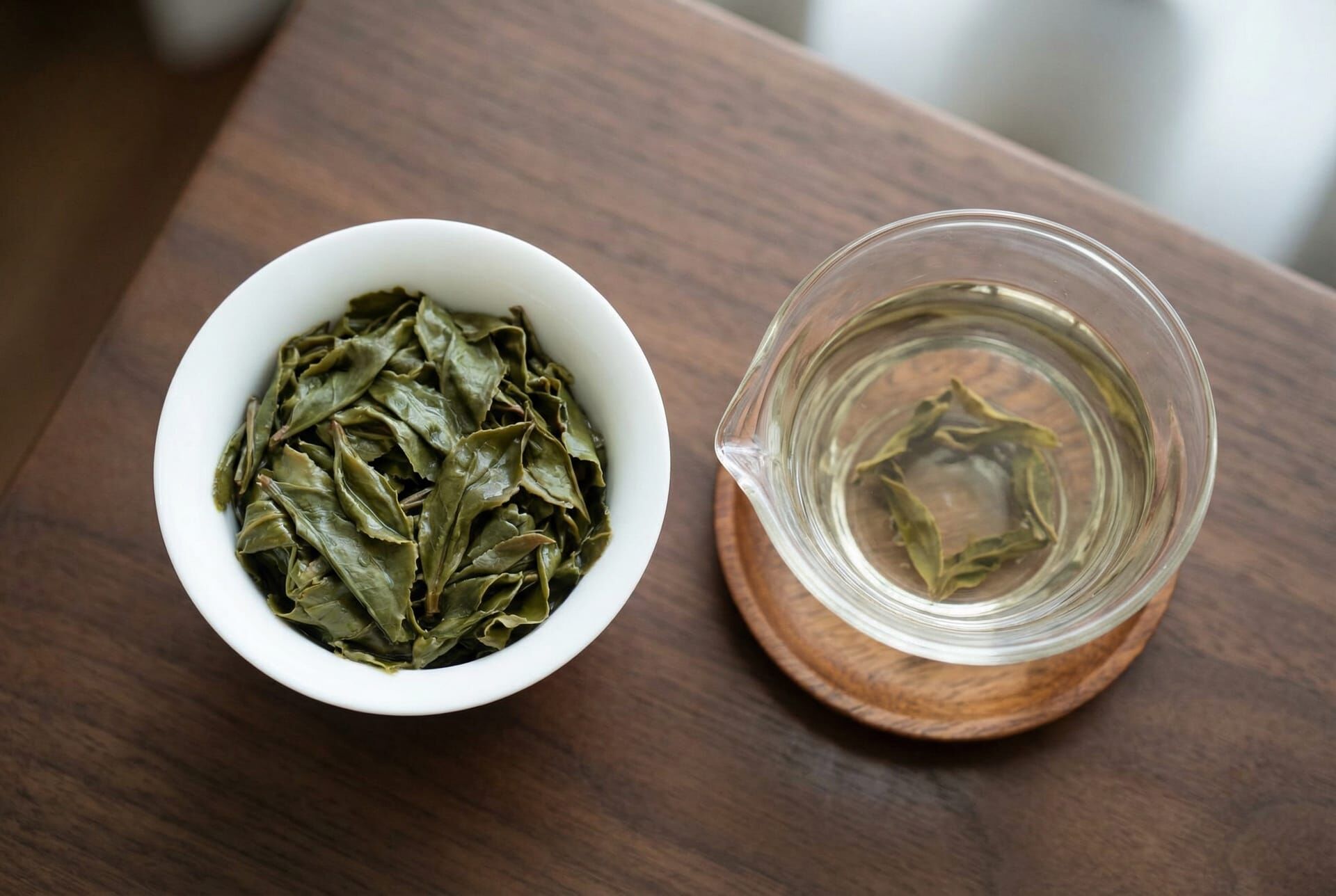
You can observe these three indicators together. If two of them are clearly present, it is usually time to change the tea:
 Four Tips to Extend the Number of Infusions
TIP 01
Choose Whole Leaves
The more intact the leaves are, the more infusion-resistant they usually are. Switching to loose tea is one of the most direct upgrades.
TIP 02
Control the Water Temperature
Alpine oolong is commonly brewed with near-boiling water, then adjusted slightly depending on the tea style and personal taste, so the first few infusions do not release too much at once.
TIP 03
Gradually Extend the Brewing Time
The first few infusions should not be over-extracted. Then extend the time little by little with each brew so every infusion keeps the flavor it is meant to have.
TIP 04
Use a Small Pot and Pour Out Quickly
A small teapot (100–150ml) makes it easier to control strength, and quick infusions also help keep every brew balanced.
The key to brew-resistance starts with tea quality
Whole Taiwanese high-mountain tea leaves are usually more infusion-resistant than broken tea, and they also reveal a richer range of flavor changes. BESTEA loose tea is carefully selected from the freshest seasonal harvest, so every infusion has its own character.
FREQUENTLY ASKED
Frequently Asked Questions
Q Is it harmful to brew tea too many times?
Usually not harmful, but the flavor and overall performance will gradually decline. Once it goes beyond the recommended number of infusions, the tea liquor is usually already too light, and switching to fresh tea is a better choice.
Q Can overnight tea leaves be brewed again?
Not recommended. Tea leaves left overnight in a humid environment usually lose much of their flavor, and repeated brewing is also generally not advised.
Q Is the number of infusions for cold brew tea the same as for hot brew tea?
No. Cold brewing extracts more slowly and is usually done as a single long steep, so repeated cold brewing is generally not recommended. If you want several cups, it is usually better to simply increase the amount of tea and brew a larger pot.
BEST TEA 1
Good tea reveals a different side in every infusion
BESTEA carefully selects teas from Taiwan’s high-mountain regions, from Lishan and Dayuling to Alishan—each one worthy of brewing a few more times and savoring slowly.
KEEP READING
You May Also Like
Brewing Tips
How to Cold Brew Tea? A Refreshing Low-Caffeine Way to Enjoy Tea
Learn cold brew in 3 steps—the most comfortable way to enjoy tea in summer
Brewing Tips
How Much Tea Should You Use? The Impact of Tea Quantity on Flavor and Aroma
How tea quantity affects the taste and aromatic layers of your brew
Tea Knowledge
Why Does Tea Taste Astringent? A Simple Look at the Causes of Bitterness and Astringency
Understand what causes bitterness and astringency in tea, and how to improve it
Tea Knowledge
Benefits of Alpine Tea: Exploring the Health Value of This Tea
A complete look at the health benefits and nutritional components of alpine tea


