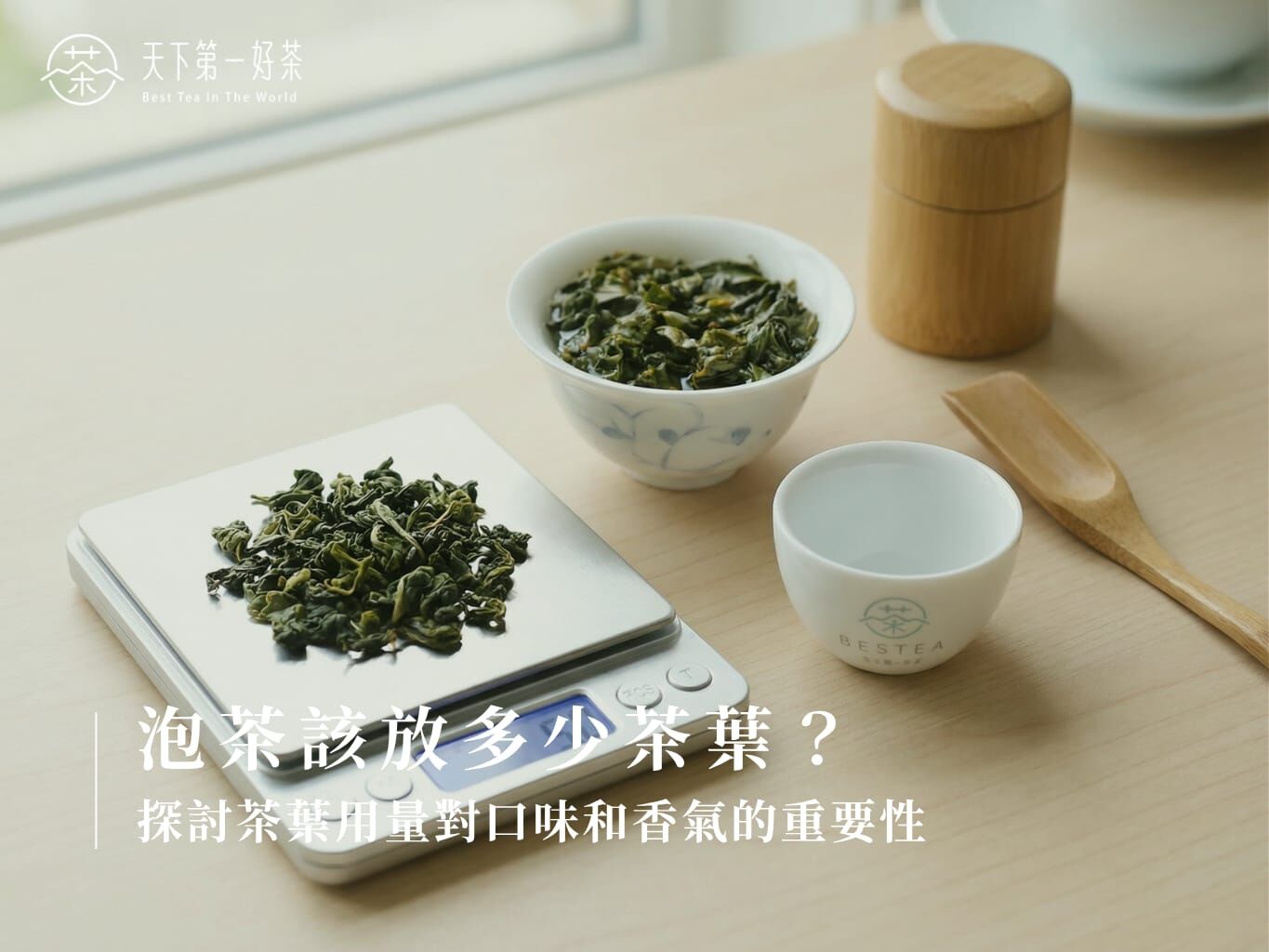
The same tea can taste sweet and balanced in one person’s hands, yet bitter and hard to drink in another’s—the difference often comes down to the amount of tea used. Too much, and bitterness overpowers the aroma; too little, and the liquor feels weak and lacks depth. This article clearly explains the recommended ratios and steeping times for different tea types, helping you find the number that suits you best.
CONTENTS
Key Points of This Article
1. The basic principles of tea quantity
2. How to judge whether the amount is right by looking at the tea liquor
3. Recommended quantity and time for each tea type
4. How to fine-tune based on taste preference
The Basic Principles of Tea Quantity
There is no single fixed standard for tea quantity. It still needs to be adjusted according to the tea type, teaware, and personal taste. Once you find the right ratio, the tea liquor will usually show a more balanced aroma, body, and sweet aftertaste.
Whole-leaf loose tea (such as ball-rolled oolong)
Releases more slowly, so you can use more
It needs more room to expand, and its aroma and taste are released gradually. You can choose a higher amount within the recommended range, and it is also more suitable for multiple infusions.
Broken-leaf tea (regular tea bags)
Releases quickly, so use less and steep briefly
Because of the larger surface area, bitter and astringent compounds are released quickly. The amount should be relatively smaller and the steeping time shorter, otherwise it easily turns bitter and astringent.
If you use too much or too little tea, the liquor color will tell you first
Less
Too little tea
The liquor color is pale and the tea taste is weak. It tastes like hot water with just a hint of tea, without much depth or layering.
✓
The right amount
The liquor color will usually show the proper clarity and fullness for that particular tea type—not too pale, and not so strong that it turns dark and heavy.
More
Too much tea
The liquor becomes heavy and dark, the aroma gets suppressed by bitterness and astringency, and it is harder for the sweet aftertaste to emerge.
Recommended Tea Quantity and Steeping Time for Each Tea Type (per 200ml of water)
The following are common starting ranges for different tea types. The actual ratio can still be fine-tuned based on the size of the teaware, brewing style, and personal taste.
Tea Type
Amount
Water Temp
First Infusion
Flavor Profile
Green Tea
2–3g
80–85°C
45–60 sec
Fresh and elegant, with tender aroma and mellow sweetness
White Tea
2–3g
85–90°C
60–90 sec
Gentle and understated, with long-lasting sweetness
Oolong Tea
5–7g
90–100°C
50–60 sec
Rich floral and fruity aroma, with clearly layered flavor
Black Tea
3–5g
95–100°C
60–90 sec
Rich and full-bodied, with fruity sweetness
Pu-erh Tea
8–10g
100°C
30–45 sec
Heavy and steady, with a clear aged aroma
Want to try a high-mountain oolong with rich floral and fruity aroma? A common starting point is 5–7 grams, 90–100°C, and about 50 seconds for the first infusion.
View alpine oolong teas → 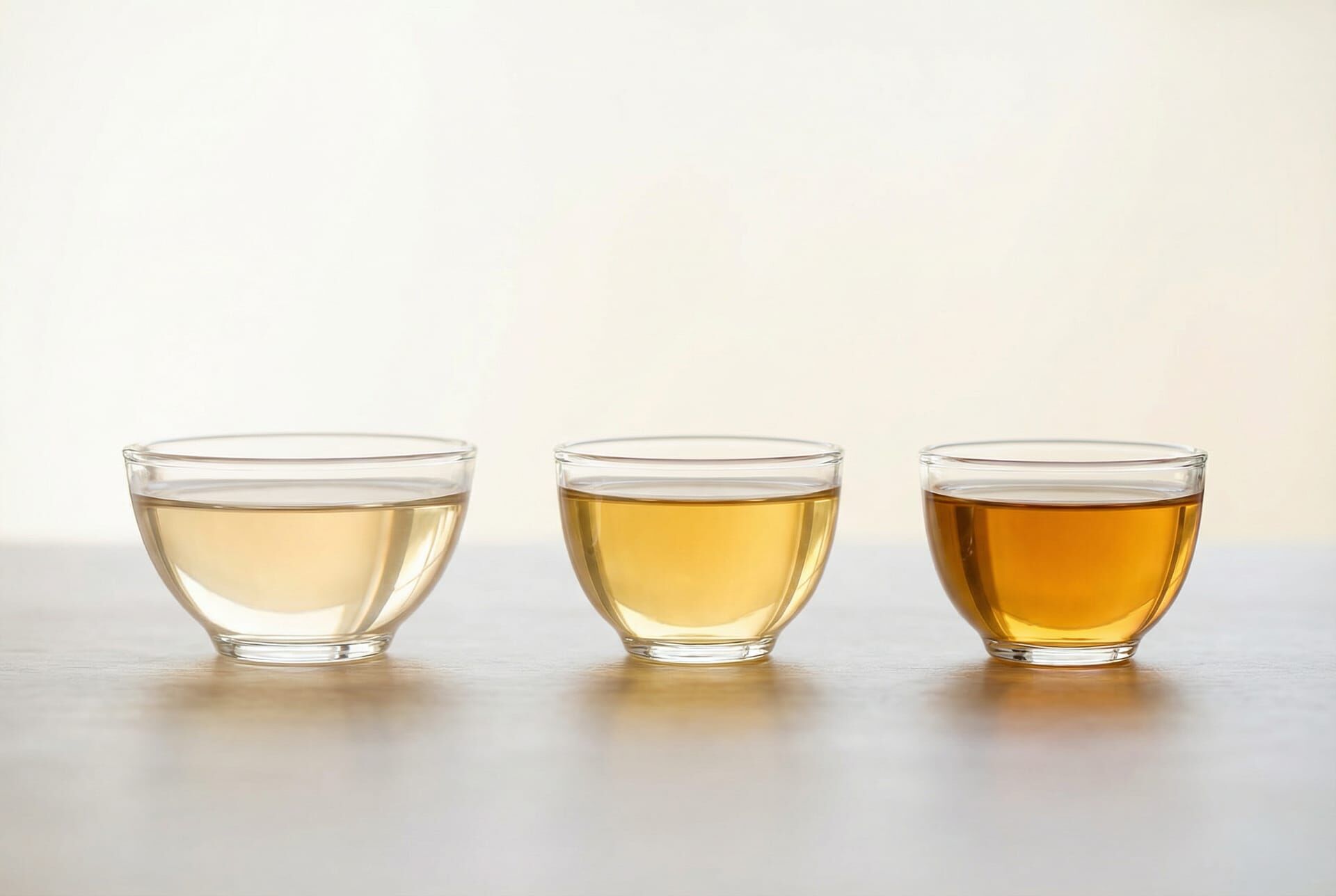 How to Adjust the Amount Based on Taste?
The numbers in the table are a starting point, not the finish line. Fine-tuning according to your own preference is the real key:
Prefer stronger tea
Increase by 0.5–1 gram within the recommended range, but at the same time shorten the steeping time by 10–15 seconds to avoid excessive bitterness and astringency.
Prefer lighter tea
Reduce the amount by 0.5–1 gram, and you may slightly extend the time so the aroma can release gradually without becoming too weak.
Too bitter and astringent
First reduce the tea amount, then check whether the water temperature is too high. Most bitterness and astringency problems can be improved by adjusting these two factors.
Too weak
Increase the amount or extend the steeping time—adjust only one of the two variables at a time so you can accurately identify the cause.
Different teaware (gaiwan, glass pot, Yixing clay pot) has different heat retention, which will also affect the actual extraction result. Once you find your ideal ratio, you can then make small adjustments according to the teaware.
Find your perfect ratio, starting with good tea
BESTEA offers a variety of Taiwanese high-mountain whole-leaf teas, making it easier for you to feel the flavor differences between different teas while adjusting the amount. Both loose tea and tea bags are available, depending on your needs.
FREQUENTLY ASKED
Frequently Asked Questions
Q How much tea should you usually use when brewing tea?
For every 200ml of water, green tea and white tea often start from 2–3 grams, oolong tea from 5–7 grams, black tea from 3–5 grams, and pu-erh from 8–10 grams. These are starting points and can be adjusted up or down according to personal taste.
Q What happens if you use too much tea?
The tea liquor becomes more bitter and astringent, the aroma gets suppressed, and the sweet aftertaste becomes less obvious. If it tastes too bitter, first reduce the amount a little and see whether it improves—in most cases, that will solve the issue.
Q Is the tea amount for cold brew the same as for hot brew?
Not necessarily. For cold brew, a common starting point is about 1:100, then adjust according to steeping time and personal taste.
START YOUR JOURNEY
Find your golden ratio, starting with a good tea
BESTEA’s Taiwanese high-mountain whole-leaf teas offer stable aroma and clear flavor, making every infusion worth treating with care.
KEEP READING
You May Also Like


