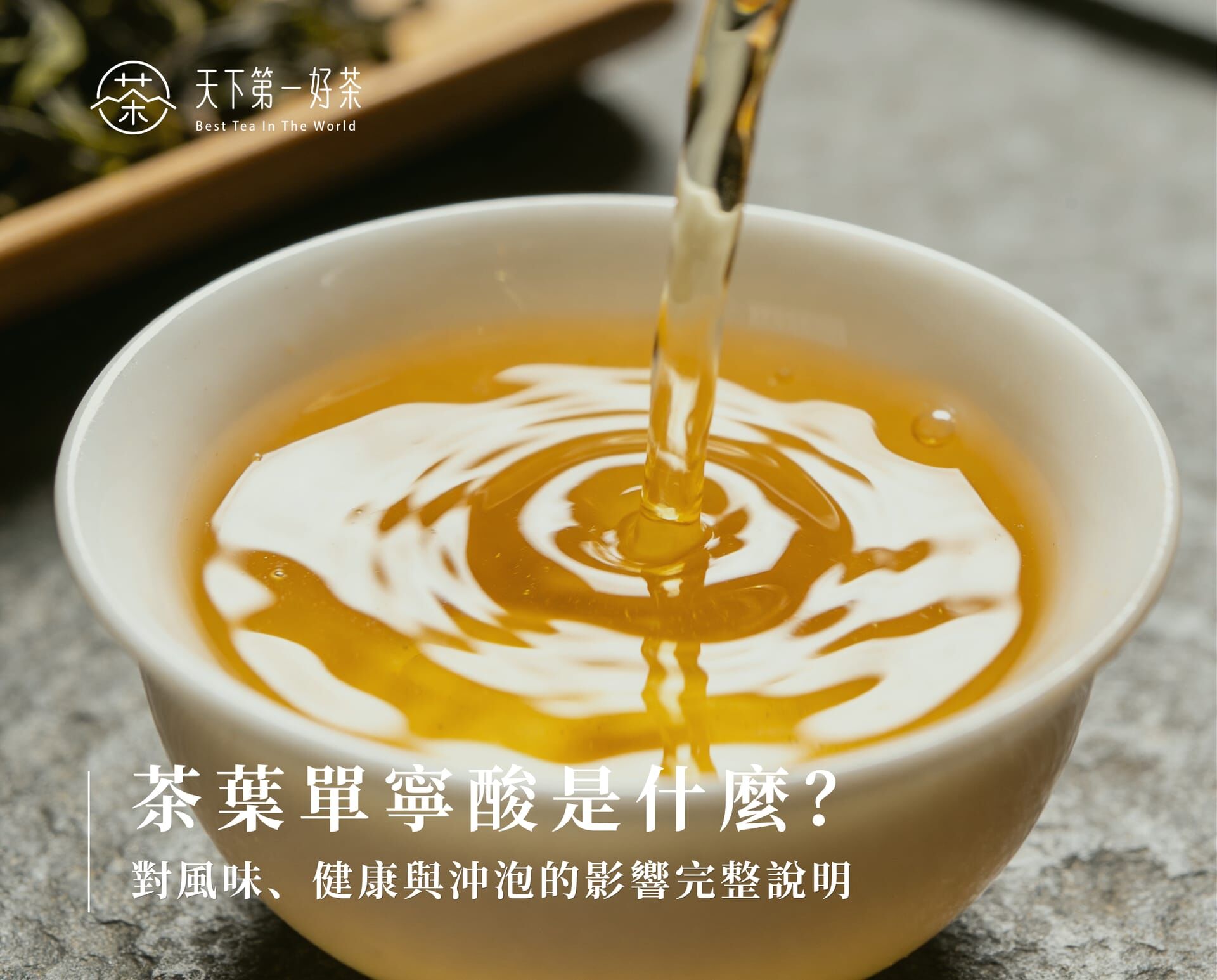
 The astringency commonly mentioned in tea is largely related to polyphenolic compounds. These compounds not only influence the bitterness, astringency, and sweet aftertaste of the tea liquor, but are also frequently discussed in relation to antioxidant properties. Understanding these compounds can help you better appreciate how to brew and savor a great cup of tea.
CONTENTS
Key Highlights
1. What Causes Astringency in Tea?
2. Health-Related Research Directions
3. Impact on Flavor & Brewing Tips
4. Connection to Storage Stability & Antioxidant Perception
What Causes Astringency in Tea?
The astringency commonly found in tea is typically related to polyphenolic compounds. These compounds are widely present in the leaves and buds of tea plants and are one of the key sources of bitterness and sweet aftertaste in the tea liquor.
During brewing, these polyphenolic compounds influence the astringency and mouthfeel of the tea liquor, contributing to its overall complexity. When present in appropriate amounts, they often give the tea greater depth and a longer finish.
Flavor
Bitterness · Sweet Aftertaste
Influences the depth and length of the tea's finish
Compound
Part of the Polyphenol Family
Related to astringency and antioxidant perception
Distribution
Leaves · Buds
Typically more pronounced in young leaves and buds
Health-Related Research Directions
Antioxidant
Frequently discussed in connection with antioxidant properties — one of the most actively studied areas in tea research.
Digestion
Some research explores the connection to digestive comfort — many people also habitually drink tea after meals.
Microbiology
Some studies discuss their inhibitory effects on certain microorganisms, though this remains primarily at the observational research stage.
Preservation
The polyphenolic properties in tea are also commonly believed to be related to storage stability.
The above is a general overview of tea knowledge and does not constitute medical advice. Please consult a healthcare professional if you have specific health concerns.
Want to experience the layered complexity that these polyphenolic compounds bring? High-mountain oolong is the easiest place to start.
Browse All Teas → 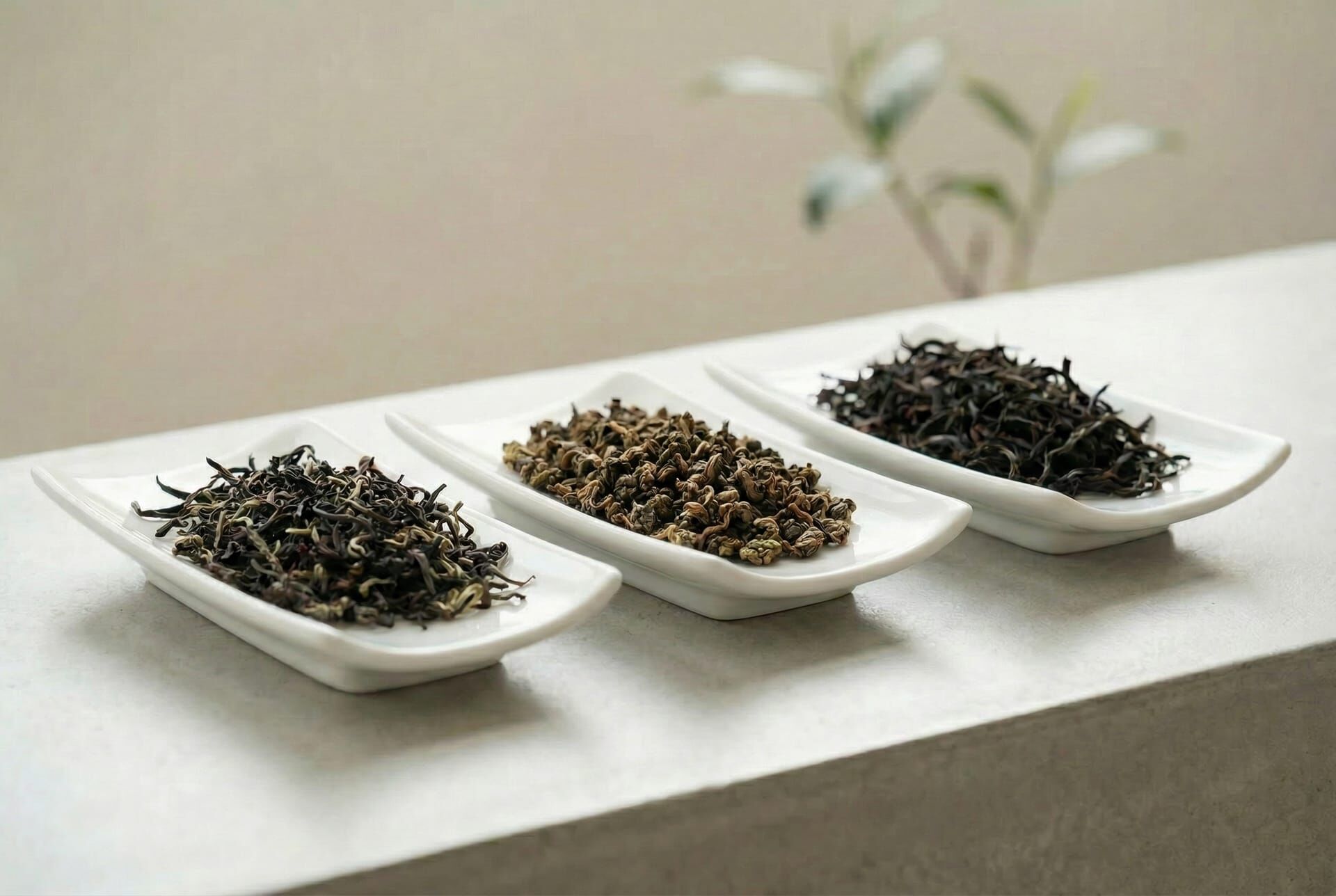 Impact on Flavor
Bitterness & Complexity
These polyphenolic compounds lend the tea liquor a bittersweet character that adds layers to the mouthfeel. When present in appropriate amounts, they often make the tea's depth more complete.
Natural Sweetness
After moderate roasting or oxidation, bitterness transforms into a softer sweet aftertaste — one of the reasons high-mountain oolong and roasted teas are so well-loved.
Flavor Differences Across Tea Types
Different tea types exhibit varying levels of astringency due to differences in processing. Green tea tends to be more direct, while oolong and black tea are generally smoother and more rounded.
Brewing Tips
Start with a water temperature of 80–90°C and keep the steeping time to around 1 minute or less — this generally helps prevent excessive astringency. High-mountain teas are often perceived as having lower bitterness and a smoother mouthfeel.
Savor the Beauty of Layered Tea
BESTEA carefully selects Taiwan high-mountain teas — from crisp and refreshing to round and mellow, each one showcases the flavor variations achieved through different processing methods, allowing you to slowly appreciate tea's depth and character from the comfort of home.
Connection to Storage Stability & Antioxidant Perception
✦
Commonly believed to be related to tea storage stability, as well as color and aroma preservation.
✦
Polyphenolic compounds are frequently discussed in relation to antioxidant properties — one of the key reasons tea receives so much attention.
✦
Actual preservation effectiveness is still influenced by processing, packaging, and storage conditions — it cannot be judged by a single compound alone.
Antioxidant Perception
Free radicals are reactive molecules produced during the body's metabolic processes; an excess may cause oxidative stress. The polyphenolic compounds in tea are frequently discussed in connection with antioxidant properties, which is one of the reasons many people choose tea as a daily alternative to sugary beverages.
"Moderate, regular tea drinking is one of the reasons many people choose tea over sugary beverages."
Q How are these astringency-causing compounds related to tea polyphenols?
These compounds can be considered part of tea polyphenols. Tea polyphenols is a general term for the most commonly discussed key compounds in tea, and the polyphenolic compounds that affect astringency and mouthfeel are one component of this group.
Q Is the bitterness in tea caused by these compounds?
They are one of the key sources of bitterness in tea. Keeping the water temperature at 80–90°C and steeping for around 1 minute or less generally helps prevent excessive astringency. High-mountain teas are often perceived as having lower bitterness and a smoother mouthfeel.
Q Can these compounds be harmful to the body?
Normal tea consumption is generally not a concern. However, long-term heavy consumption of strong tea may affect iron absorption in some individuals. If you have iron deficiency–related concerns, it is advisable to pay attention to your drinking timing and consult a professional.
Q Which type of tea typically has the most noticeable astringency?
Astringency varies across tea types due to differences in cultivar, leaf tenderness, processing, and brewing method. Generally speaking, green tea tends to have a more direct astringency, while oolong and black tea are usually smoother and more rounded. If you'd like to experience rich complexity, high-mountain oolong is a great place to start.
BESTEA — THE ART OF TANNINS
Every Great Cup of Tea Is a Study in Layers
From Taiwan's high mountains to your cup, BESTEA carefully selects every tea leaf — letting you savor the depth and character between bitterness and sweet aftertaste.
KEEP READING
You Might Also Enjoy


