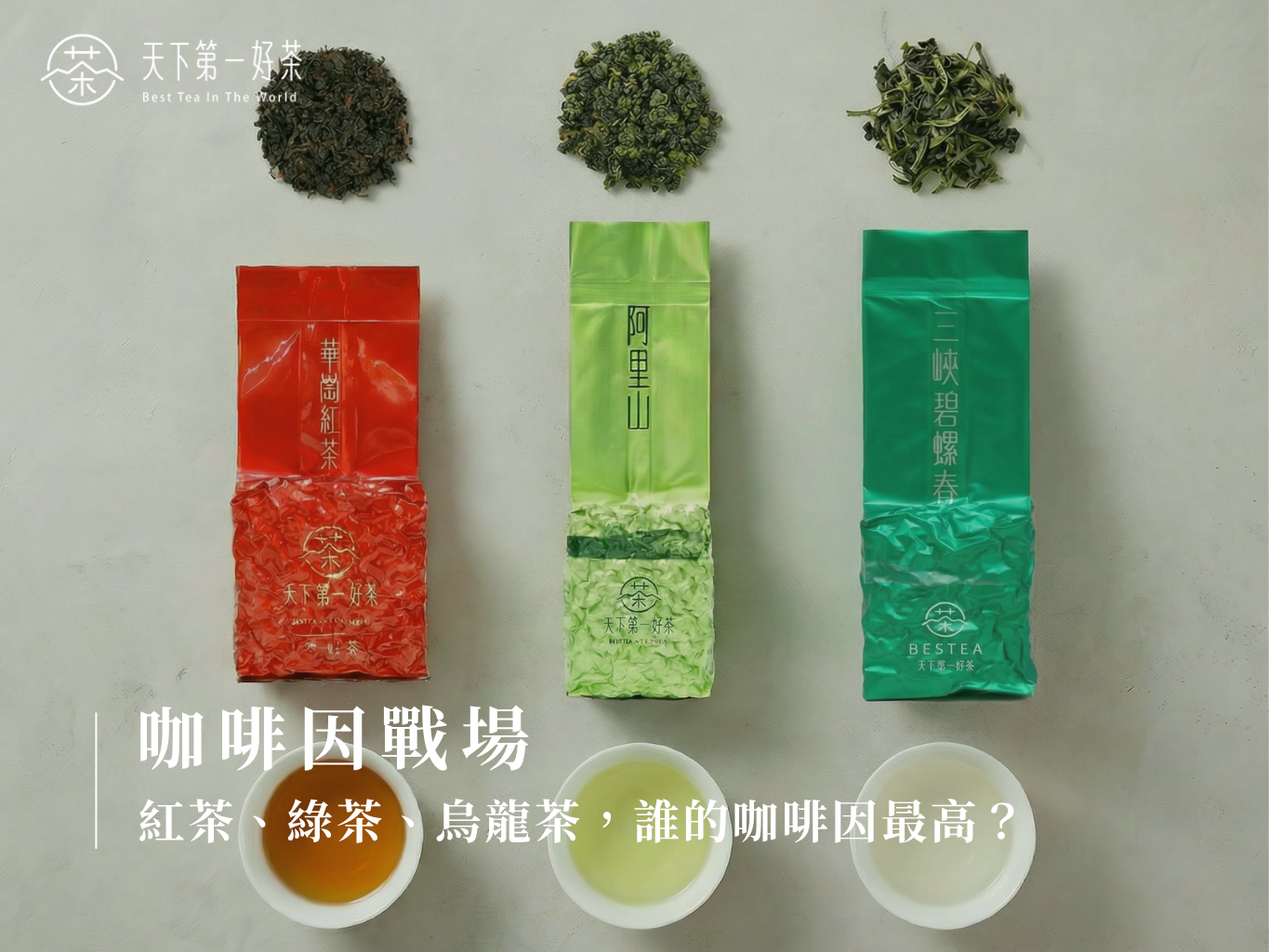
"I’m sensitive to caffeine, but I still want to drink tea—what should I choose to feel more at ease?" It is a question many tea drinkers quietly ask themselves.
In truth, the answer is not as simple as “black tea is high and green tea is low.” Cultivar, leaf tenderness, processing, and brewing method all affect how much caffeine ends up in your cup. This guide breaks down the key variables so you can choose tea with more confidence.
CONTENTS
Key Takeaways
1. How Caffeine Differs in Tea
2. How Caffeine Affects Tea Flavor
3. Four Ways to Lower Caffeine
4. How to Choose Tea by Caffeine Level
Still unsure which tea to drink? Start by choosing based on caffeine preference—it is one of the easiest ways to pick the right one.
Choose Tea by Caffeine → How Caffeine Differs in Tea
Caffeine levels in tea are influenced by cultivar, harvest tenderness, the bud-to-leaf ratio, processing, and brewing method. By dry weight, tea typically contains around 1%–5% caffeine. But how much you actually consume depends on both the raw material and the way it is brewed, so black tea, oolong tea, and green tea cannot be judged by category alone.
Broadly speaking, these three points are the ones to remember:
Black Tea
Fully Oxidized
Usually Higher
Oolong Tea
Partially Oxidized
Widest Range
Green Tea
Unoxidized
Depends on Cultivar and Tenderness
In general, the younger the leaves, the more finely broken they are (such as in tea bags), the higher the brewing temperature, and the longer the steeping time, the more caffeine is likely to be released. Roasting and oxidation matter too, but they are usually not the only factors.
Three Tea Directions to Help You Find Your Best Fit
Caffeine ● ● ●
Black Tea Collection
If you want a lift and enjoy a fuller tea character, black tea is a reliable choice.
Explore Black Tea Caffeine ● ● ○
Oolong Tea Collection
If you want aroma, layers, and lingering sweetness, oolong offers the widest range of choices.
Explore Oolong Tea Caffeine ● ● ○
Green Tea Collection
If you enjoy fresh, brisk notes, green tea shows off the lightest tea character.
Explore Green Tea How Caffeine Affects Tea Flavor
Caffeine is not just what gives tea its stimulating effect—it also shapes bitterness, body, and astringency in the cup. Too little, and the tea may feel thin; in the right amount, it adds dimension and works with tea polyphenols to support sweetness and a lingering finish.
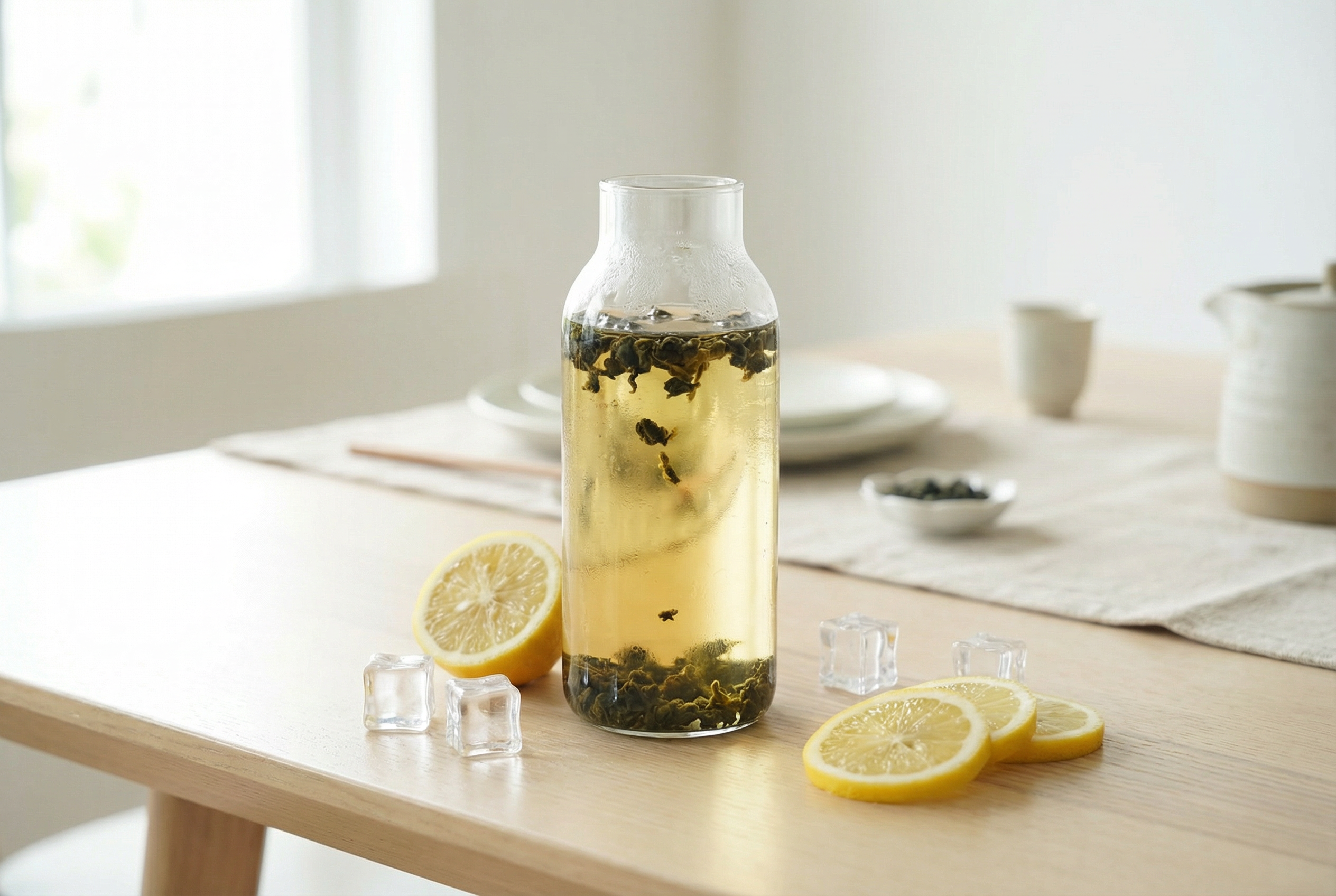
More heavily roasted teas often feel gentler overall and tend to bring out notes of caramelized sugar, nuts, or ripe fruit. Cold brew, because it extracts slowly at a lower temperature, usually tastes crisper than hot tea and is a favorite method for many people sensitive to caffeine.
If You Want Less Caffeine, These Four Methods Work Best
1
Choose Tea Made from More Mature Leaves
Tender buds usually contain more caffeine, while mature leaves are generally more balanced.
2
Avoid Broken-Leaf Tea Bags
Once broken into smaller pieces, the larger surface area usually releases caffeine more quickly.
3
Choose More Heavily Roasted Tea
Compared with similar teas, more heavily roasted versions usually feel gentler on the body.
4
Switch to Cold Brew
Slow extraction at a low temperature usually makes the tea taste cleaner and feel lighter.
Sensitive to Caffeine? These Are the Most Recommended Directions
From naturally lower-caffeine cultivars to the softening effect of charcoal roasting and heavier roasting, these three options are long-time favorites among customers who are sensitive to caffeine.
Cultivar ● Lower Caffeine
Sijichun
Naturally lower in caffeine, light and floral, and easy to enjoy every day.
Discover Sijichun Charcoal Roasted ● Gentler Feel
Lishan Charcoal Roasted
High-mountain depth paired with charcoal roasting creates a round, warm sweetness and a steadier overall feel.
Discover Lishan Charcoal Roasted Heavier Roast ● Full Yet Calm
Muzha Tieguanyin
Traditional charcoal-roasted Tieguanyin with a rich, mellow tea body and a lower sense of stimulation—especially steady in the afternoon.
Discover Muzha Tieguanyin Want Less Caffeine Without Giving Up Tea Aroma? Try This
Roasted teas bring an extra layer of warm, mature aroma and rounded sweetness. Lishan Charcoal Roasted and Muzha Tieguanyin are long-time favorites among caffeine-sensitive tea drinkers—the roasting makes the texture smoother and the overall feel steadier. Many people also begin with a lighter roast or cold brew to find the style that suits them best.
| Method | Caffeine-Reducing Effect |
| Choose Tea Made from Mature Leaves | Usually Gentler Overall |
| Avoid Broken-Leaf Tea Bags | Slows Extraction and Lowers Perceived Strength |
| More Heavily Roasted Tea | Usually Feels Gentler Among Similar Teas |
| Cold Brew Tea | Low-Temperature Slow Extraction, Usually Fresher Overall |
Want tea that tastes fresher and goes down more easily? Cold brew is often the first step for many people. BESTEA’s pyramid tea bags are specially designed for cold brewing.
Shop Cold Brew Tea Bags → How to Choose Tea by Caffeine Level
Once you know the basics, choosing tea becomes much easier. If you want a lift and enjoy a fuller tea profile, start with black tea or lightly fragrant oolong. If you want tea in the afternoon or evening but worry about too much stimulation, more heavily roasted tea or cold brew is usually a steadier choice. If you are especially sensitive to caffeine, start with lighter brews and smaller amounts.
Caffeine tolerance varies widely from person to person. The same cup of tea may feel energizing to one person and barely noticeable to another. The most accurate guide is still your own body response and daily routine.
Morning / Need Energy
Black Tea · Light-Fragrance Oolong
Bold in flavor and presence, ideal for starting the day.
Afternoon / Evening
Roasted Oolong · Cold Brew Tea
Steadier in taste and relatively gentler in stimulation, making them easier to enjoy later in the day.
Before Bed / Sensitive to Caffeine
Light Brew · Cold Brew · Sijichun · Lishan Charcoal Roasted
Start with small amounts and a lighter concentration, or go straight to teas whose cultivar and roasting both help reduce the overall burden. Pay attention to how your body responds.
Not Sure Which Suits You
Tea Sets
Compare different tea types and roasting styles at once to find your ideal tea faster.
FIND YOUR TEA
Not Sure Which Tea Suits You?
BESTEA tea sets include several tea styles in one selection, so you can sip, compare, and gradually find the one that best fits your daily rhythm.
FREQUENTLY ASKED
Frequently Asked Questions
Q Does Caffeine Level Affect the Taste of Tea?
Yes. Caffeine affects bitterness, body, and astringency in tea, but flavor is still the result of many compounds working together—it is not determined by caffeine alone.
Q Which Has the Most Caffeine: Black Tea, Green Tea, or Oolong?
There is no absolute answer. In general, black tea often runs higher, oolong has the widest range, and green tea is not always the lowest. In many cases, cultivar, leaf tenderness, and brewing style matter more.
Q What If I Want Tea at Night but Worry About Sleep?
Try cold brew or a lighter brew first, or choose more heavily roasted teas with a gentler feel. If you are especially sensitive, it is best to move your tea time earlier in the day.
Q Looking for Good Taiwanese Tea—Any Recommendations?
We have curated a wide range of options, from light and floral to roasted, and from black tea to oolong. If you are not sure where to begin, start with a tea set—it is the fastest way to discover what you like.
KEEP READING
You May Also Like


