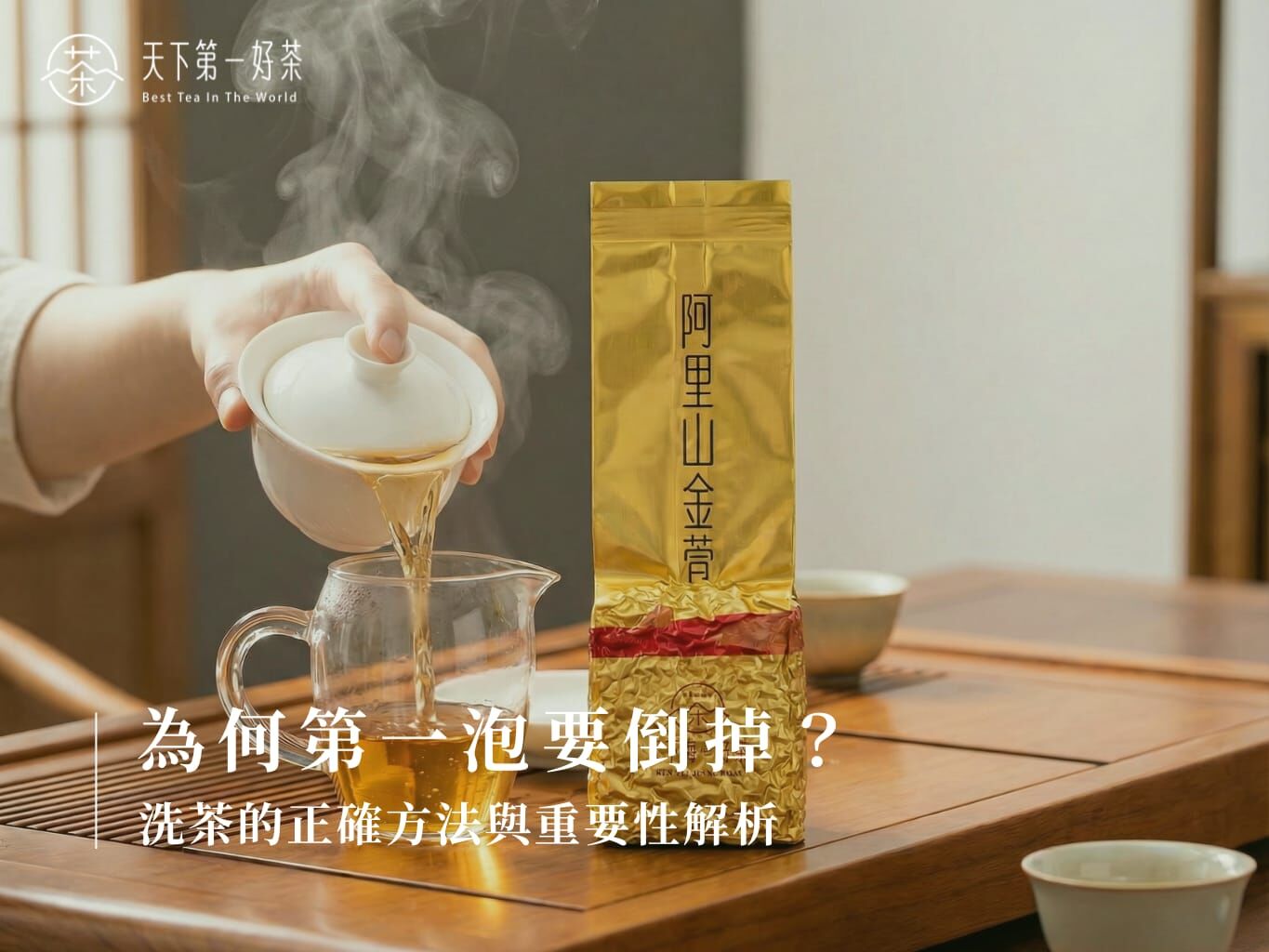
 Many people know the first infusion should be poured away, but few can clearly explain why. This article breaks down the logic of rinsing tea—once you understand the reason, you will realize this step matters more than you think.
CONTENTS
Key Takeaways
1. Why should the first infusion be poured away?
2. The three purposes of rinsing tea
3. Which teas should be rinsed, and which do not need it?
4. The correct steps for rinsing tea
5. What changes in the tea liquor before and after rinsing?
Why should the first infusion be poured away?
The first infusion, also called the “initial brew,” contains dust, tiny leaf fragments, and impurities that have collected on the surface of the tea leaves during drying and transport. Once brewed, these mix into the liquor, making it more bitter and astringent while also affecting hygiene.
This is especially true for oolong tea, pu-erh tea, and other tightly rolled or compressed teas. The leaves are packed tightly and need hot water first to loosen and open up—pouring away the first infusion is not wasteful, but a way to prepare the leaves properly.
Tea rinsing is especially recommended for oolong tea and high-mountain tea—the leaves are tightly rolled and need hot water first to awaken them.
Explore High-Mountain Oolong Tea → The Three Purposes of Rinsing Tea
Purpose 01
Remove Surface Impurities
Dust, leaf fragments, and residue from transportation are all washed away with the first infusion.
Purpose 02
Awaken the Leaves
This allows the leaves to unfurl so the aroma and flavor in later infusions can be fully released.
Purpose 03
Stabilize Later Infusions
After rinsing, the leaves are in a more even state, making each proper infusion more stable in quality.
Which Teas Should Be Rinsed, and Which Do Not Need It?
Not every tea needs to be rinsed, and many people are unclear about this.
✓
Recommended for Rinsing
・Oolong tea (rolled or strip-shaped)
・Pu-erh tea (compressed tea cakes)
・Black tea (fully oxidized tea)
These teas have a tighter structure and need hot water first to awaken and open the leaves.
・Fresh green tea
・White tea
・Clean tea that has been well stored
The first infusion contains delicate aromatic compounds, so rinsing may be a waste.
Want a cleaner, purer cup of tea? Start with better tea leaves.
BESTEA’s tea comes from Taiwan’s high-mountain tea gardens, with whole leaves and no additives. After rinsing, the aroma becomes even more pronounced. Carefully selected from the season’s fresh harvest, each infusion is worth looking forward to.
The Correct Steps for Rinsing Tea
1
Place the tea leaves into a teapot or cup.
2
Use the right water temperature for the tea type: green tea 80–85°C, oolong and pu-erh 90–95°C.
3
Pour in water to moisten the leaves, let them sit for 5–10 seconds, then pour it out immediately.
4
The liquid poured out is the “rinsing water” and should not be consumed.
5
Add water again for the proper brew and enjoy the tea’s true flavor.
Not sure how to judge water temperature and timing? Try tea bags—each one is individually packed with the right portion, making it easy even for beginners to brew good tea.
Browse the Tea Bag Collection → 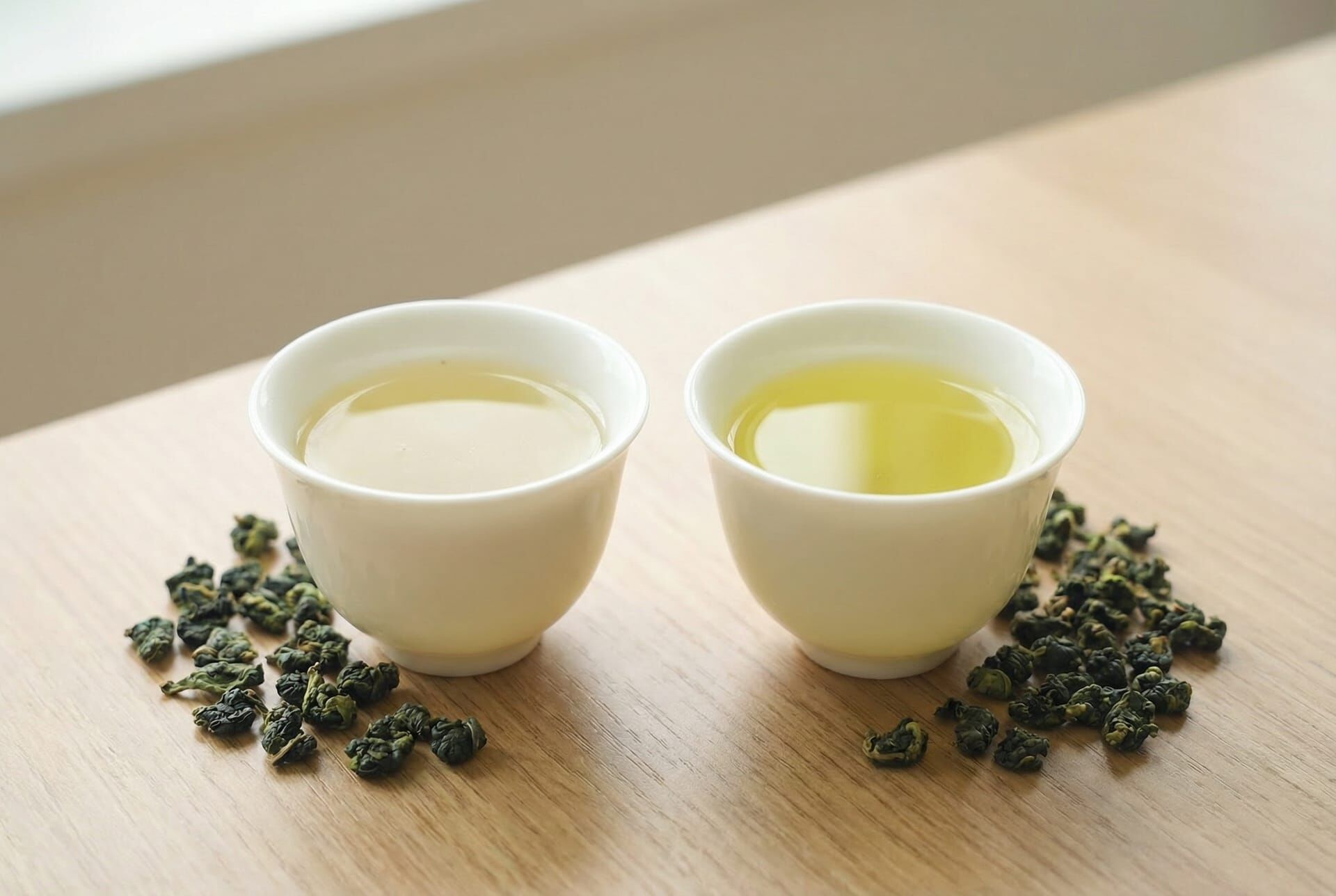 What Changes in the Tea Liquor Before and After Rinsing?
Liquor Color
After Rinsing
Clearer and less cloudy
Aroma
After Rinsing
Cleaner, with less off-flavor and bitterness
Mouthfeel
After Rinsing
More stable from one infusion to the next, without uneven bitterness or weakness
Conclusion
Rinsing tea is not just a hygiene habit—it is part of preparing the leaves. Without this step, even good tea may not show its best self.
Next time before brewing, give the first infusion an extra 10 seconds—every sip afterward will show you why it is worth it.
BREW IT RIGHT
Good Tea Deserves Proper Brewing
From rinsing to tasting, BESTEA’s Taiwanese high-mountain loose leaf tea makes every step worthwhile. Carefully selected from the season’s fresh harvest and free from pesticide residue, the difference is clear right after the first rinse.
FREQUENTLY ASKED
Frequently Asked Questions
Q Why should the first infusion be poured away?
The first infusion contains dust and impurities from the surface of the tea leaves, and it also tends to taste more bitter and astringent. Once it is poured away, later infusions become cleaner and more stable in flavor.
Q What is the main purpose of rinsing tea?
There are three purposes: removing impurities, awakening the leaves so they can unfurl, and stabilizing the quality of later infusions. All three matter.
Q How does rinsing tea specifically affect the tea liquor?
The liquor becomes clearer, the aroma cleaner, and the bitterness noticeably reduced. If you have ever felt the first infusion was especially bitter, try rinsing the tea and you will notice the difference.
Q Does every kind of tea need to be rinsed?
Not necessarily. Fermented teas such as oolong, pu-erh, and black tea are generally recommended for rinsing, while fresh green tea and white tea often have delicate aromatics in the first infusion, so rinsing can usually be skipped—especially if the tea has been kept clean and well stored.
KEEP READING
You May Also Like


