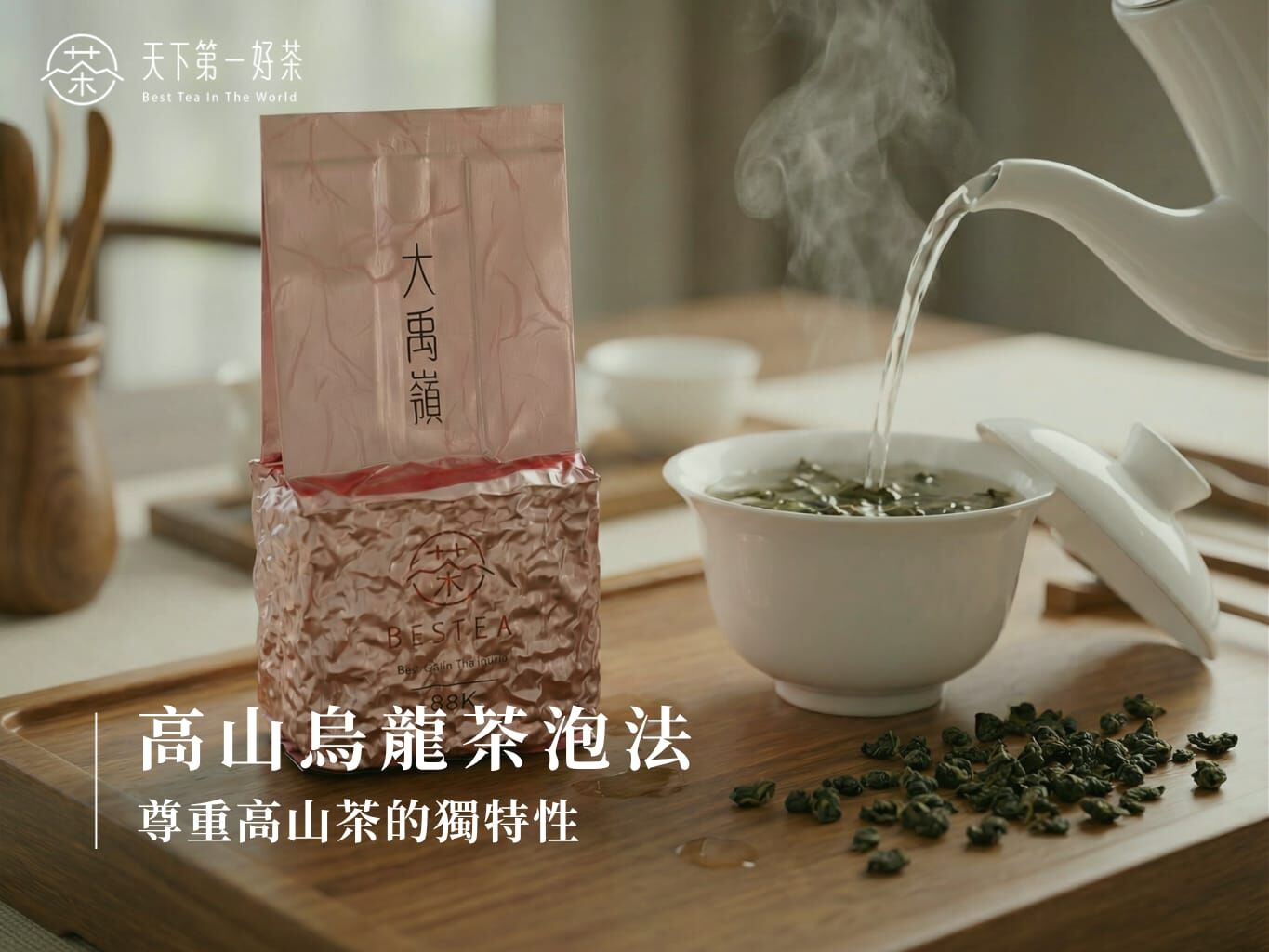
 The same tea can taste completely different depending on who brews it—especially alpine oolong.
The aromatic compounds of alpine oolong are delicate. If the water temperature is too low, the floral notes will not fully emerge; if it is too high, bitterness can appear easily. Even a difference of ten seconds in steeping time can completely change the taste. This article clearly explains the water temperature, steeping time, and teaware, so you can brew it the way it is meant to be every time.
CONTENTS
Key Points of This Article
1. Before brewing alpine oolong, know this first
2. Water temperature and steeping time: the two biggest variables
3. Standard brewing steps
4. Suitable tea-brewing utensils
Before Brewing Alpine Oolong, Know This First
Alpine oolong goes through withering, semi-oxidation, and roasting, giving it more layered aromas than lowland tea—but that is also why it needs the right brewing method to fully reveal its character.
STYLE 01
Light Aroma
Elegant floral notes
Light-bodied taste
STYLE 02
Rich Aroma
Full-bodied sweetness
Honeyed richness
STYLE 03
Heavily Roasted
Warm roasted chestnut aroma
Steady, grounded taste
The details of brewing may vary slightly depending on the tea style, but the core principles remain the same: hot enough water, precise timing, and no rushing.
Water Temperature and Steeping Time: The Two Biggest Variables
The aromatic compounds in alpine oolong need sufficiently high temperatures to be fully released, but if brewed too long with near-boiling water, bitterness and astringency can appear early. Mastering these two variables is the key step to brewing alpine tea well.
90–100°C
Recommended Water Temperature
30–60sec
First Infusion Steeping Time
1:20–15
Tea-to-Water Ratio (g : ml)
🌡
Water temperature: about 90°C–100°C
This can be adjusted slightly depending on the tea style and roasting level. If the water is not hot enough, the floral and honeyed notes will not fully open; if steeped too long at high temperature, bitterness can easily overpower the aroma.
⏱
Steeping time: start the first infusion at 30–60 seconds, then add 5–10 seconds for each following infusion
Adjust according to how the leaves open and your personal taste. Each infusion has its own layer of flavor—do not rush past it.
⚖
Tea-to-water ratio: about 1:20 to 1:15 (for example, 5g tea / 100–150ml water)
If you prefer a stronger brew, slightly increase the amount of tea instead of relying only on shortening the steeping time.
Standard Brewing Steps
1
Preheat the teaware
Preheat the teapot and tasting cups so the temperature stays stable and does not drop suddenly after pouring in the water.
2
Add tea and rinse briefly
After adding the tea leaves, you may do a quick rinse once (pour off after about 3–5 seconds) to help the leaves unfurl and make the following infusions more stable; whether to rinse also depends on the tea and personal preference.
3
Brew properly
Pour in water at the proper temperature, cover, and let it steep for 30–60 seconds, then adjust based on how the liquor develops.
4
Pour into a fairness cup and enjoy
Pour the tea into a fairness cup for even distribution, then observe the liquor color, inhale the aroma, and taste the flavor.
5
Repeat for 4–6 infusions or more
Extend the steeping time with each infusion and experience the changing flavors. Floral in the beginning, honeyed sweetness in the middle, mellow sweetness in the finish—do not stop after only two or three infusions.
Suitable Tea-Brewing Utensils
UTENSIL 01
Teapot
Clay, porcelain, or glass teapots all work. A small pot (100–150ml) helps you control the water volume and pouring time more precisely, making the layers of flavor more distinct.
UTENSIL 02
Tasting Cup
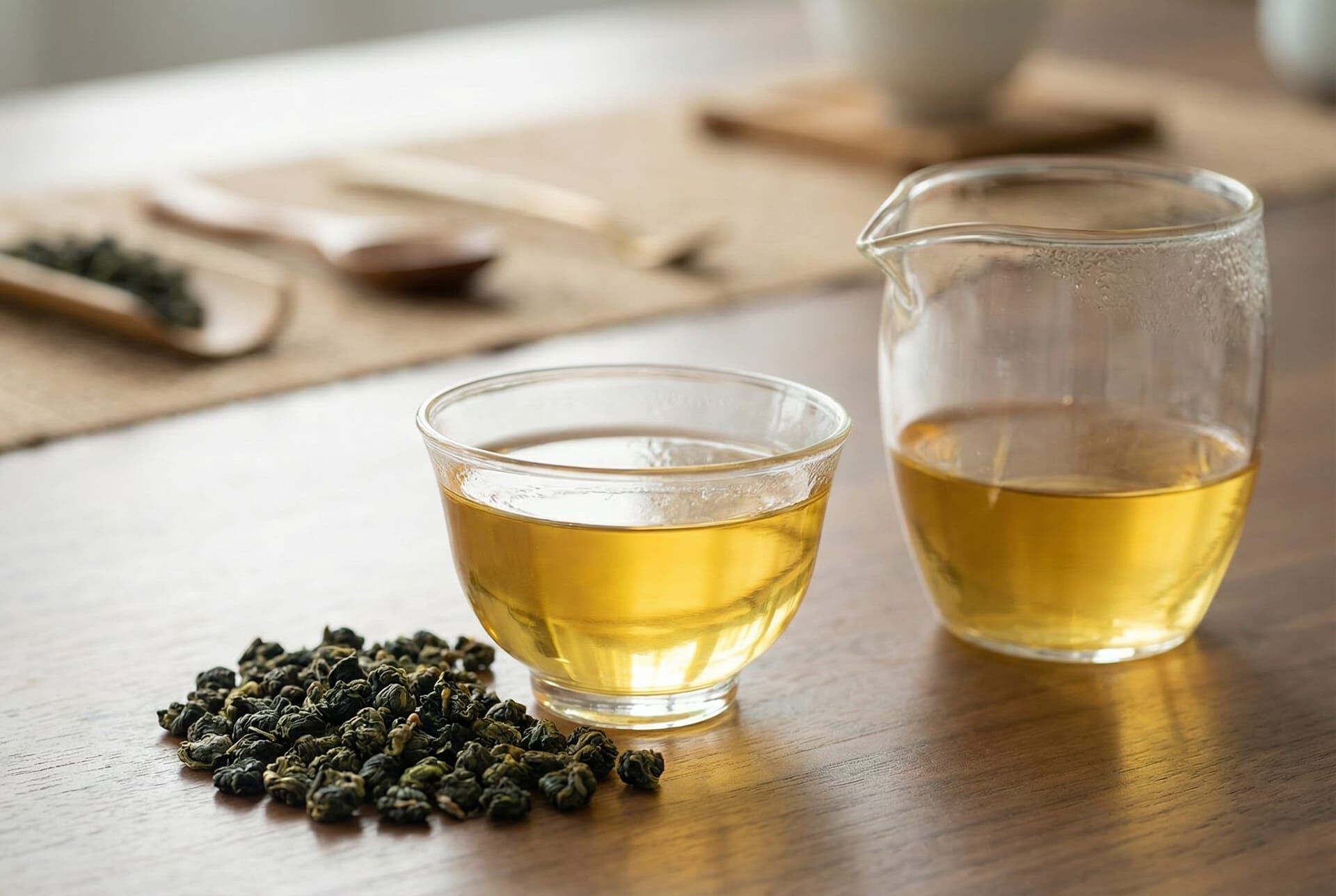
A white porcelain or transparent cup lets you clearly observe the liquor color and helps concentrate the aroma, letting your nose enjoy the tea first.
UTENSIL 03
Fairness Cup
It ensures each cup has an even strength, preventing the last pour from becoming especially bitter.
The brewing method only matters when the tea is right
BESTEA’s alpine oolong selection is made from carefully chosen whole leaves from Taiwan’s high-mountain tea gardens, delicately roasted to preserve both floral notes and honeyed sweetness. Find the one that suits you—every infusion deserves your full attention.
 Conclusion
Alpine tea should not be rushed. Brew it slowly, drink it slowly, and its layers will reveal themselves one infusion at a time.
A fine pot of alpine oolong carries you from the bright floral lift of the first infusion, to the fuller honeyed sweetness of the third and fourth, and finally to the mellow lingering finish—each stage is worth pausing for.
ALPINE TEA CULTURE
Savor the Terroir of Taiwan’s High Mountains
Through precise brewing, experience the floral fragrance and honeyed sweetness of alpine oolong. From misty mountain slopes to the aroma in your cup, every infusion is worth the wait.
FREQUENTLY ASKED
Frequently Asked Questions
Q What kind of teapot is best for brewing alpine tea?
Porcelain teapots preserve the tea’s original taste most faithfully, while Yixing clay teapots gradually absorb tea aroma over time, adding depth to the experience. Both are suitable. A small pot with quick infusions is recommended, as it better reveals the delicate aroma of alpine tea than a large pot with long steeping.
Q How many times can alpine tea be infused?
Depending on the tea grade and processing, it can usually be brewed 5–8 times. Each infusion offers a different aroma and taste—floral in the first few, honeyed sweetness in the middle, and mellow sweetness in the finish. Do not throw it away after only two or three infusions; the later brews are often the most charming part of alpine tea.
Q Can alpine oolong be cold brewed?
Yes. During cold brewing, caffeine and bitter compounds are usually released more slowly, resulting in a cleaner, smoother taste. Use room-temperature or cold water and steep for 6–8 hours in the refrigerator, with a tea-to-water ratio of about 1:30. It is a refreshing way to enjoy alpine tea in summer.
Q Any recommendations for high-quality alpine oolong?
BESTEA’s alpine oolong collection comes from Taiwan’s major high-mountain tea regions, including Lishan, Dayuling, and Alishan. If you are not sure where to start, try a tea set first to compare the flavor differences between different regions in one go.
KEEP READING
You May Also Like


