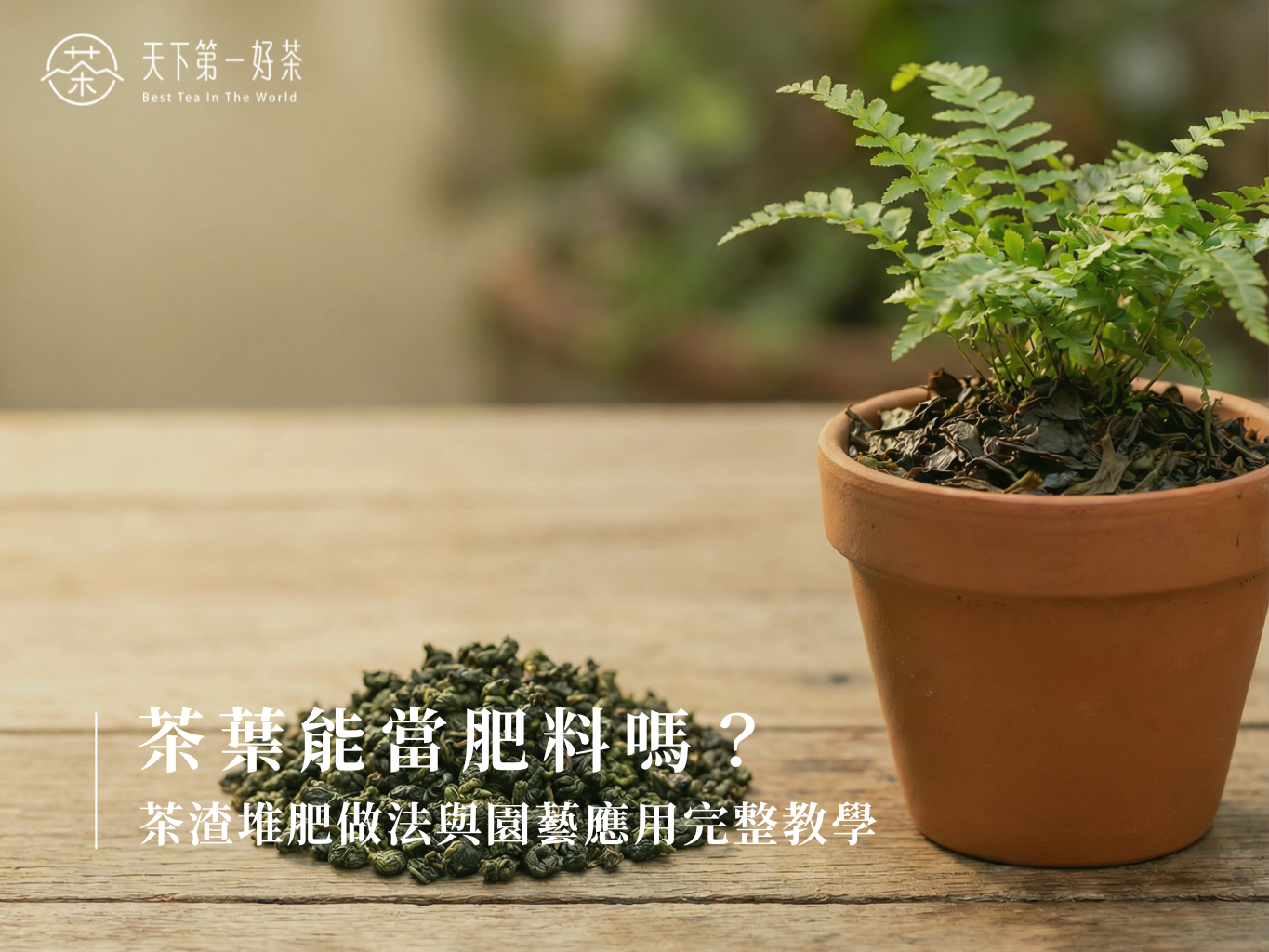
 What do you do with tea leaves after brewing? Most people throw them away—but in fact, they still have another life ahead.
Used tea leaves contain nitrogen, phosphorus, potassium, and organic matter that plants need. With proper handling, they can become a natural organic fertilizer for gardens and potted plants. It is not only eco-friendly—the results are visible too.
CONTENTS
Key Takeaways
1. What Is in Tea Leaves? Start with the Nutrients
2. Benefits of Tea Leaf Fertilizer
3. Four Ways to Use It
4. Suitable Plants and Important Notes
At BESTEA, we believe the value of good tea does not end in the cup. From brewing to gardening, a single tea leaf can do more than you might think.
Discover Our Tea → Can Tea Leaves Be Used as Fertilizer? Start with What They Contain
Tea leaves are rich in the three key nutrients plants need: nitrogen for leaf growth, phosphorus for root and flower development, and potassium for disease resistance and water regulation. They also contain trace elements such as magnesium, manganese, zinc, and copper.
The organic acids and polyphenols in tea leaves can also improve soil structure, making the soil more breathable and microbially active. Simply put, tea leaves are not just fertilizer—they are also a soil conditioner.
NitrogenHigh Content
Promotes Leaf Growth
PhosphorusModerate Content
Supports Roots and Flowering/Fruiting
PotassiumModerate Content
Disease Resistance and Water Regulation
Benefits of Tea Leaf Fertilizer
Benefit 01
High in Nitrogen
Encourages vigorous growth in leafy plants—the leaves grow denser and the visual difference is easy to see.
Benefit 02
Contains Organic Matter
Improves soil structure and boosts microbial activity, helping the soil come alive.
Benefit 03
Reduces Waste
Reuse spent tea instead of throwing it away, so every brew can be put to full use.
Benefit 04
Easy to Use
Sprinkle it into the soil, turn it into compost, or steep it into tea water for feeding—no tools required.
Finish the Tea, Keep the Fertility
All BESTEA teas come from Taiwan’s high-mountain tea gardens, with no pesticides and no added flavoring, so the brewed leaves are reassuringly safe to compost.
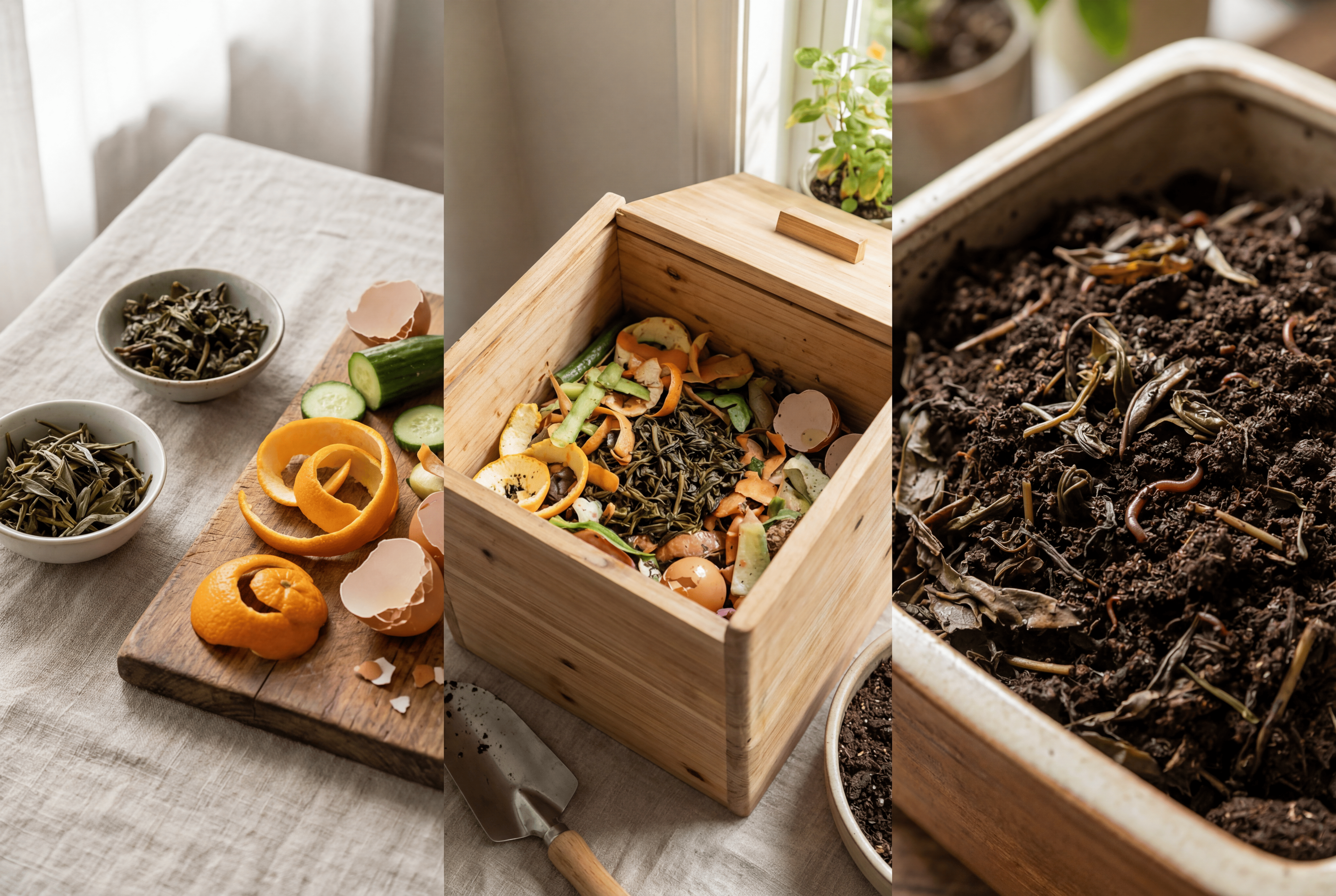 How to Use Tea Leaf Fertilizer
1
Composting
Mix used tea leaves with kitchen scraps such as fruit peels and vegetable leaves for composting. After decomposition, the nutrients become more balanced.
2
Tea Water Feeding
Soak tea leaves in water for a few days, then pour it around the plant roots. It is gentle and root-friendly.
3
Sprinkle Directly into Soil
Spread dried tea leaves over the topsoil of potted plants or garden beds to fertilize while helping retain moisture.
4
Grind into Powder
Ground tea leaves can be mixed with other organic fertilizers to increase nutrient density.
Whole-Leaf Tea Is Better for Composting Than Broken Tea Bags
Broken tea bags can leave behind filter material after decomposition, while whole loose leaves break down more evenly and return naturally to the soil.
Suitable Plants and Important Notes
Tea leaf fertilizer works for most plants, especially those that prefer acidic soil, such as blueberries, azaleas, and jasmine. It can also be used for common foliage houseplants. Applying it once a month is usually enough—there is no need to fertilize too often.
However, there are a few situations where it is not recommended:
✕
Sweetened or Flavored Tea Leaves (such as milk tea or fruit tea)
Residual sugars can attract pests, so they should not be added directly to the soil.
✕
Moldy Tea Leaves
Mold can disrupt the soil’s microbial balance, so it is best to throw them away.
△
Alkaline-Loving Plants (such as cacti and succulents)
Tea leaves make soil more acidic, so using too much may not suit these plants.
Main Nutrients Found in Tea Leaves
Simply put, nitrogen helps leaves grow, phosphorus supports roots and flowers, and potassium makes plants stronger.
| Element | Amount in Tea Leaves | Plant Function |
| Nitrogen | High | Chlorophyll Production and Growth |
| Phosphorus | Moderate | Root Development and Flower/Fruit Formation |
| Potassium | Moderate | Disease Resistance and Water Regulation |
Nutrient profiles vary slightly by tea type. Black tea is higher in nitrogen and is suitable for promoting leaf growth, while green tea is richer in polyphenols that may help support soil hygiene.
See Flavor Differences by Tea Type → Conclusion
Brewed tea leaves are not waste—they are simply a resource that has not been fully used yet. Dry them, compost them, or sprinkle them into the soil, and with just a few simple steps they can keep working in your garden.
Pesticide-free tea also makes more reassuring compost. That choice starts with the very first tea leaf. Enjoy your tea, and take care of your plants at the same time.
FROM CUP TO GARDEN
Drink Good Tea, Grow Better Plants
Do not throw away your brewed BESTEA leaves. Their pesticide-free quality means your garden can benefit too.
FREQUENTLY ASKED
Frequently Asked Questions
Q Can Tea Leaves Really Be Used as Fertilizer?
Yes. Tea leaves contain nutrients plants need, including nitrogen, phosphorus, and potassium. However, it is best to dry or compost them first—putting wet leaves directly into soil can easily cause mold and do more harm than good.
Q What Plants Benefit Most from Tea Leaf Fertilizer?
Plants that prefer acidic soil are the best match, such as azaleas, blueberries, and jasmine. Common foliage houseplants can also benefit, but do not use too much—about once a month is enough.
Q How Often Should Tea Leaf Fertilizer Be Applied?
Once every 2 to 4 weeks is enough, and it is easiest to do it alongside regular watering. You can dry the spent leaves and scatter them over the soil, or soak them in water for a few days and use the tea water to feed plants.
Q Can Tea Leaves Fully Replace Regular Fertilizer?
They are best used alongside other fertilizers. Tea leaves are high in nitrogen but lower in phosphorus and potassium, so using them alone does not provide a fully balanced nutrient profile. Mixing them with other organic fertilizers delivers the best results.
Q What Kind of Tea Is Best for Composting?
Whole loose-leaf tea is the best choice. It decomposes evenly and leaves no filter residue behind. Pesticide-free tea also makes more reassuring compost, without concerns about pesticide residues entering the soil.
KEEP READING
You May Also Like


