A household favorite beverage: what exactly is black tea? The following introduction will help you better understand this star tea drink:
Black tea is a fully fermented tea. One of its distinctive features is that during fermentation, it develops rich aromas such as fruity, floral, and honey notes, along with a full-bodied flavor that brings pure enjoyment to your taste buds. In addition, black tea contains abundant components such as caffeine, tea polyphenols, amino acids, vitamins, and minerals, allowing you to enjoy a relaxing tea-drinking experience while also bringing many benefits to your body.
What Are the Benefits of Drinking Black Tea? 8 Major Benefits You Should Know!
1. Antioxidant Properties
Black tea is rich in tea polyphenols, anthocyanins, and vitamins. In addition, according to the NIH paper Effects of Key Components on the Antioxidant Activity of Black Tea, catechins in black tea are highly beneficial for antioxidant activity, and vitamin E also helps reduce the formation of free radicals while working together with vitamin C to support overall health.
2. Boosts Alertness
A study reported by ScienceDirect, Black tea improves attention and self-reported alertness, mentions that the caffeine in black tea can help enhance alertness. When feeling tired or needing more focus, drinking black tea in moderation may help.
3. Helps Digestion and Stimulates Appetite
The vitamin B1 in black tea helps maintain digestive function and supports changes in gut flora. Since black tea is a fully fermented tea, it is generally less likely to irritate the stomach, so if green tea tends to cause discomfort, black tea may be a better alternative when consumed in moderation.
According to another NIH paper, Co-ingestion of Black Tea Reduces the Indispensable Amino Acid Digestibility of Hens’ Egg in Indian Adults, tea polyphenols may also help promote fat breakdown. Therefore, when eating oily or sweet foods, drinking black tea may help reduce feelings of greasiness or excessive sweetness.
4. Promotes Metabolism
The NIH paper Cellular Defensive Mechanisms of Tea Polyphenols: Structure-Activity Relationship also mentions that black tea contains abundant vitamins and minerals. Among them, vitamins B1 and B2, as well as magnesium, help maintain normal energy metabolism. Vitamin B1 also helps support the normal function of the skin, heart, and nervous system.
In addition, vitamin B6 in black tea helps maintain normal amino acid metabolism, supports the normal form of red blood cells, and promotes nervous system health.
5. Relaxes the Mind and Body
Research reported by Medical News Today indicates that the theanine in black tea may help reduce stress and relax the mind and body. Drinking black tea in moderation can therefore help people enjoy life more comfortably and may even improve work or study efficiency.
6. Helps Regulate Physiological Functions
Among the abundant vitamins found in black tea, vitamin K helps support normal blood clotting and bone calcification, while vitamin C promotes collagen formation and helps maintain the integrity of cell arrangement, thereby supporting the regulation of physiological functions.
7. Mild in Stimulation
Compared with unfermented green tea, black tea contains less tea polyphenols, making it less irritating to the stomach and gentler in flavor, with its own distinct soft character.
8. Freshens Breath
In addition to offering a smooth and mellow taste, a paper indexed by the NIH, Open Access Macedonian Journal of Medical Sciences, points out that rinsing with black tea may help keep the mouth clean due to its catechins and polyphenols, naturally giving the breath a light sense of freshness and reducing oral odor.
Are There Any Downsides to Drinking Black Tea? 6 Things to Keep in Mind!
Although black tea offers many benefits, incorrect drinking habits or overconsumption may still bring some drawbacks:
1. Drink in Moderation to Avoid Burdening the Body
Any beverage should be consumed in moderation to avoid placing strain on the body. It is generally recommended to drink no more than 3 to 4 cups of black tea per day.
2. Use Less Sugar and Cream to Avoid Quietly Increasing Calories
When drinking black tea, it is recommended to add less sugar, creamer, or other ingredients in order to avoid excessive calorie intake and preserve the health value of black tea.
3. Avoid Drinking on an Empty Stomach to Protect the Stomach from Irritation
People with sensitive stomachs may experience discomfort if they drink black tea on an empty stomach, so it is recommended to drink it after meals.
4. Avoid Drinking Before Bed to Reduce the Chance of Difficulty Falling Asleep
The caffeine in black tea can make people feel more energized. Therefore, those who are sensitive to caffeine or who often experience insomnia are advised not to drink black tea within 4 hours before bedtime.
5. Black Tea May Cause Staining and Make Teeth Look More Yellow
According to the NIH study The Impact on Dental Staining Caused by Beverages in Combination with Chlorhexidine Digluconate, the pigments in black tea can easily interact with tooth enamel and lead to more noticeable staining. Adding milk to black tea or brushing with fluoride toothpaste may help reduce the likelihood of tooth discoloration.
6. Drinking It with Meals May Affect Iron Absorption; It Is Recommended to Drink It 1 Hour After Eating
The polyphenols in black tea may inhibit the absorption of plant-based iron. Drinking black tea during meals may reduce iron absorption, so if you want to improve iron intake, it is better to drink black tea about 1 hour after a meal.
Complete Guide to Brewing Black Tea: Learn Hot Brew and Cold Brew Methods at Once!
How should black tea be brewed? By mastering key factors such as temperature and brewing time, you can enjoy a fuller flavor and richer nutrients from black tea. Here are some suggestions for both hot brewing and cold brewing black tea:
Hot Brew Black Tea Method
- Container: Use porcelain or glass containers, and avoid plastic or metal cups that may affect the flavor.
- Tea-to-Water Ratio: Use 6 grams of tea leaves (about 1 teaspoon) for every 200 ml of water.
- Water Temperature: Use boiling water at 95–100°C. Since water loses oxygen after boiling, which may affect the taste of the tea, it is not recommended to use water that has been boiled and then cooled down.
- Brewing Time: Generally 1–3 minutes. The longer the brewing time, the stronger the tea. Adjust according to personal taste.
- Re-steeping: Tea leaves can usually be brewed 3–5 times. Add about 10 seconds to each subsequent infusion. If the tea becomes flavorless or feels unpleasant to drink, it is time to replace the tea leaves.
Cold Brew Black Tea Method
- Container: Use porcelain or glass containers, and avoid plastic or metal cups that may affect the flavor.
- Tea-to-Water Ratio: Add about 10 grams of tea leaves (or about 2 tea bags) to 1,000 ml of cold water.
- Water Temperature: Place it in the refrigerator, where the temperature is around 4°C.
- Brewing Time: Let it steep in the refrigerator for about 4 hours.
- Re-steeping: Cold brew tea leaves are generally best replaced after one infusion. If the tea becomes flavorless or feels unpleasant to drink, they should also be replaced.
In addition to enjoying black tea in its original form, you can also add sugar, milk, lemon, or other ingredients according to your personal taste, and enjoy a relaxing tea moment that is truly your own.
What Are the Precautions for Drinking Black Tea? These 4 Groups Should Be Careful!
Are there any precautions when drinking black tea? Who should be cautious about drinking it? Although black tea is a natural beverage that is generally suitable for almost everyone and rarely causes serious side effects, certain groups should still drink it in moderation or consult a doctor in advance in order to truly enjoy tea drinks!
The following are 4 groups of people who should pay special attention when drinking black tea:
People Sensitive to Caffeine
People who are sensitive to caffeine should be cautious when drinking black tea, because the caffeine in black tea may cause a faster heartbeat, headaches, or insomnia. It is recommended that you choose low-caffeine tea varieties or shorten the brewing time, and avoid drinking it in the evening so it does not affect sleep.
Pregnant and Breastfeeding Women
Pregnant and breastfeeding women should also pay attention to moderation when drinking black tea. Excessive caffeine may affect a baby’s sleep and nervous system development, and may even increase the risk of premature birth. It is recommended that you choose low-caffeine black tea, avoid overly strong brewing methods, and consult a doctor if necessary.
People with Sensitive Stomachs
The tannic acid in black tea may irritate the stomach, and people with sensitive digestive systems may be more likely to experience heartburn or stomach pain. Therefore, such individuals should avoid drinking black tea on an empty stomach and choose lightly brewed tea to reduce irritation to the stomach.
People with Cardiovascular or Kidney Conditions
People with cardiovascular or kidney conditions should drink black tea in moderation, because the caffeine in black tea may cause increased blood pressure and a faster heartbeat, while its diuretic effect may add extra burden to the kidneys. Therefore, this group is advised to drink it under a doctor’s guidance, or choose caffeine-free tea products.
What Types of Taiwanese Black Tea Are There? Let BESTEA Show You Taiwan’s Signature Black Teas!
When it comes to black tea, what comes to mind first? For many people in Taiwan, terms like “Alishan Black Tea” or “Sun Moon Lake Black Tea” are familiar, but they do not actually refer to a single tea cultivar. Instead, they generally refer to tea grown in those specific production regions. As a result, they often include a variety of different tea types (such as honey-fragrance tea, Jin Xuan, Ruby, and more), which adds even more diversity to the cultural richness of Taiwanese tea.
Most black teas on the market are made from the leaves of large-leaf tea trees, while a smaller portion comes from small-leaf tea trees. The two differ in origin, leaf characteristics, tea polyphenol content, and flavor.
Large-Leaf Tea Trees: In Taiwan, large-leaf tea trees mainly come from areas such as Yuchi and Puli in Nantou. A closer look at their leaves reveals that they are generally thinner, with smoother leaf edges, and an overall leaf length of around 28–50 cm. In addition, because large-leaf tea contains higher levels of tea polyphenols, the brewed tea tends to have a richer aroma, stronger sweetness in the aftertaste, and a darker tea liquor.
- Taiwanese Large-Leaf Black Tea Varieties: TTES No. 8 (Assam), TTES No. 18 (Ruby), TTES No. 21 (Hongyun), etc.
Small-Leaf Tea Trees: Most small-leaf tea trees in Taiwan are grown in areas such as Sanxia in New Taipei and Yilan. Compared with large-leaf tea, small-leaf tea leaves are thicker, have serrated leaf edges, are generally under 14 cm in length, and are usually oval or lance-shaped. Since small-leaf tea contains lower levels of tea polyphenols, the brewed tea tends to have a lighter aroma, a weaker sweet aftertaste, and a lighter-colored tea liquor.
- Taiwanese Small-Leaf Black Tea Varieties: TTES No. 12 (Jin Xuan), TTES No. 23 (Qiyun), etc.
Of course, depending on the processing methods and brewing styles used in different production areas, the resulting flavors may also vary. Ultimately, the best guide is still your own actual tasting experience!
5 Common Questions About Black Tea Answered at Once!
Question 1: How Is Brewing Black Tea Different from Other Teas?
The brewing method for black tea is generally similar to other teas. Factors such as brewing time, water temperature, the ratio of
tea leaves to water, and more will affect the flavor and mouthfeel of the tea. As long as you properly control the steeping time, you can brew a delicious cup of tea.
Question 2: What Is the Difference Between Black Tea, Green Tea, and Oolong Tea?
Black tea, green tea, and
oolong tea are differentiated by their level of fermentation. Black tea is fully fermented, green tea is unfermented, and oolong tea is semi-fermented, falling somewhere in between. Their taste, color, and aroma all differ, so you can choose the one that best suits your preference.
Question 3: How Should You Choose and Store Black Tea?
Before purchasing black tea, you should pay attention to the quality, color, and aroma of the tea leaves, as well as whether the packaging clearly indicates the shelf life, place of origin, certifications, and other information, to avoid buying tea of unknown origin or poor quality.
For storage, opened black tea leaves should be kept in an airtight container and protected from light, moisture, and strong odors.
Question 4: What Side Effects Might Long-Term Consumption of Black Tea Bring?
Many people enjoy drinking black tea, but moderate consumption is healthier than drinking large amounts over a long period. Drinking 1–2 cups of black tea per day, or about 800–1,000 ml, allows you to enjoy its flavor and benefits while reducing the burden caffeine may place on the body. Avoiding long-term overconsumption of black tea may also help prevent side effects such as indigestion, reduced iron absorption, constipation, palpitations, elevated blood pressure, and insomnia.
Question 5: How Many Calories Are in Black Tea?
Black tea brewed with plain water contains almost no calories. A 240 ml serving has fewer than 2 calories. If you add sugar, milk, or other ingredients, it is recommended to use them in moderation, or simply enjoy the tea in its original form to avoid consuming too much sugar.
BESTEA Recommends 3 Excellent Taiwanese Black Teas for You!
If you want to enjoy the purest 100% Taiwanese black tea but are not sure which tea to buy, BESTEA has selected 3 high-quality black teas for you!
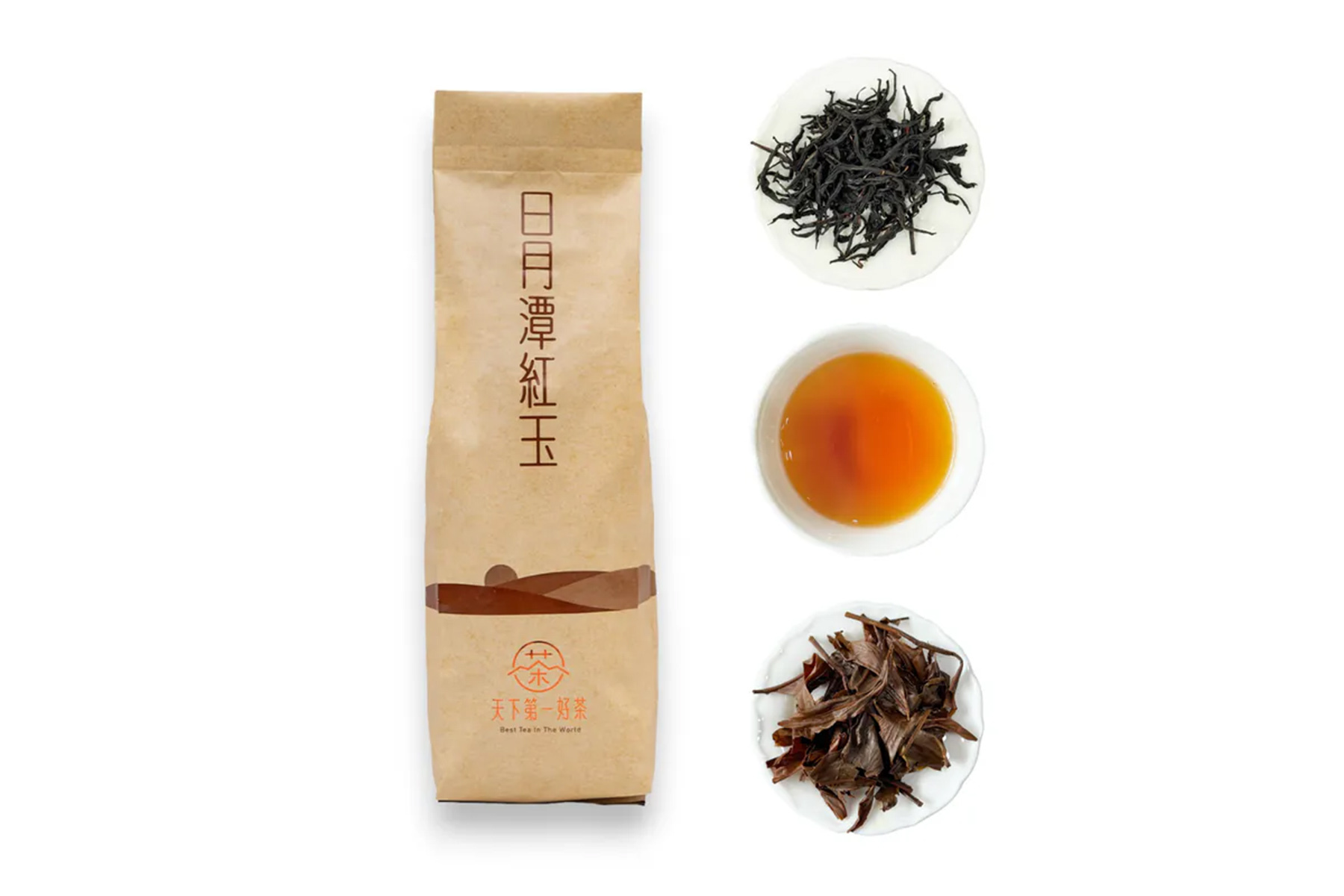
Sun Moon Lake Ruby
Sun Moon Lake Ruby Black Tea is the most well-known black tea variety from the Sun Moon Lake region. It features a distinctive mint and cinnamon aroma, blended with fruity honey and caramel notes, creating a tasting experience unlike other tea varieties and making it an outstanding representative of Taiwanese black tea.
- Variety: Ruby / TTES No. 18
- Characteristics: Mint and cinnamon aroma, fruity honey and caramel notes
- Packaging: 1 bag, 4 taels (150g)
- Purchase Link 👉🏻Sun Moon Lake Ruby