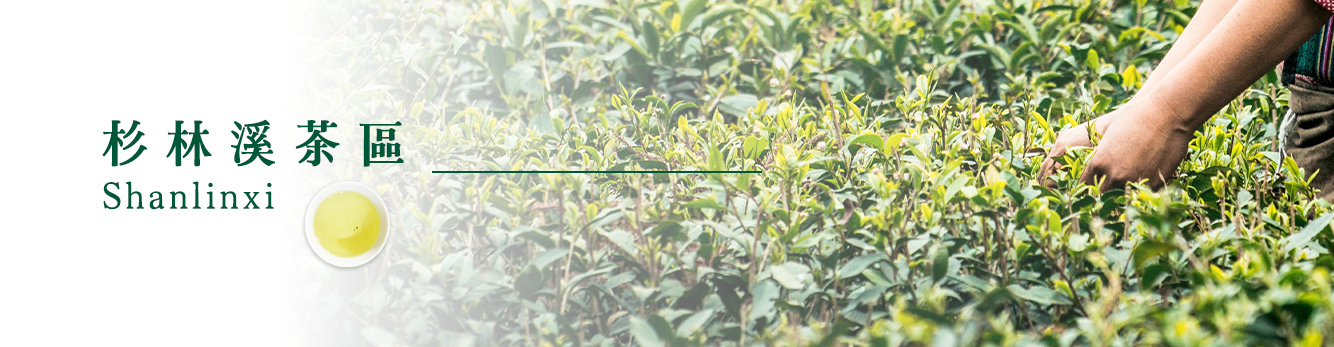
Although all are Taiwanese high-mountain teas, Alishan, Lishan, and Shanlinxi each have different flavor profiles. Among them, Shanlinxi is known for its unique bamboo-flower aroma and mellow, lingering throat finish, making it a tea many tea lovers never forget after tasting it once. This article clearly explains the differences among the three major production regions, and why Shanlinxi is worth trying.
CONTENTS
Key Points of This Article
1. Comparison of the three major high-mountain tea regions: Alishan, Lishan, and Shanlinxi
2. Introduction to the characteristics of Shanlinxi tea
3. Health benefits
4. Price reference
Want to directly shop for Shanlinxi high-mountain tea? Delivered directly from the origin and hand-picked, every sip is mellow and delicious.
Go to Shanlinxi tea → Introduction to Taiwan’s Three Major High-Mountain Tea Regions: Alishan, Lishan, and Shanlinxi
The three commonly known major high-mountain tea regions in Taiwan are Alishan, Lishan, and Shanlinxi, each with different altitude conditions and flavor personalities. The high-mountain environment slows the growth of the tea leaves, resulting in richer aroma, sweeter taste, and less bitterness and astringency—qualities difficult for lowland tea to replicate.
Elevation 1000–1800m
Alishan High-Mountain Tea
Fragrant oolong with a fresh sweet aftertaste, a famous first choice for tea tasting
Learn about Alishan tea Elevation 1600–2600m
Lishan High-Cold Tea
A rare high-altitude tea that is seldom seen on the market
Learn about Lishan tea Focus of this article
Elevation about 1800m
Shanlinxi High-Mountain Tea
Abundant rainfall and large day-night temperature differences create the most captivating mellow throat finish
Shop Shanlinxi tea Region
Altitude
Flavor Characteristics
Alishan
1000–1800m
Fragrant oolong, refreshing sweet aftertaste, a top beginner choice
Lishan
1600–2600m
High-cold character, rare and precious, with a higher price
Shanlinxi
About 1800m
Bamboo-flower aroma, mellow richness, long-lasting finish
Introduction to the Characteristics of Shanlinxi Tea
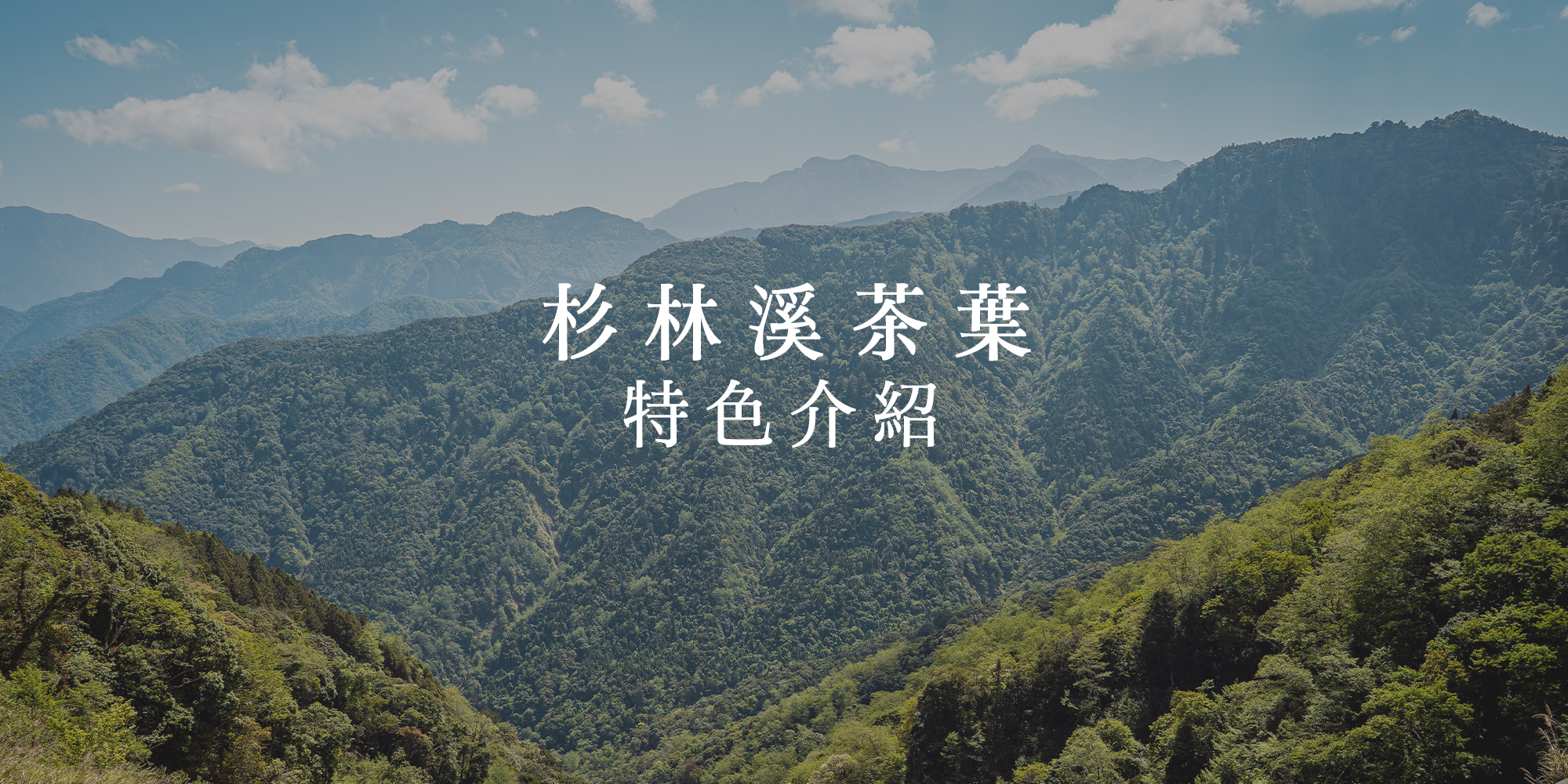
Shanlinxi tea is grown around Zhushan Township, Nantou County, at an elevation of about 1800 meters. The tea grows in a natural environment with fertile, unpolluted soil; year-round mist and large day-night temperature differences make it especially suitable for tea cultivation. Freshly picked one-bud-two-leaf tea leaves slowly unfurl in the water, brewing into a tea with a delicate and elegant fragrance. Once the leaves are fully opened, you can first smell the aroma and then drink the liquor, fully enjoying its sweet and smooth flavor.
Hand-harvested tea leaves preserve their full character better. They are mainly picked in spring and winter, when the leaves are thicker, richer in pectin, and less bitter and astringent, resulting in a more mellow and smooth flavor.
Bamboo-flower aroma
Because the Shanlinxi tea region is surrounded by bamboo forests, the tea naturally carries an elegant bamboo-flower aroma, a unique fragrance rarely found in other regions.
Mellow throat finish
The tea liquor enters the mouth round and full, with a lasting sweetness that slowly expands through the throat. Even half an hour after drinking, the lingering finish remains.
Picked in spring and winter
Spring tea has the clearest aroma; winter tea leaves are thicker, richer in pectin, and have a fuller body, making winter one of the most sought-after seasons for Shanlinxi tea lovers.
Hand-picked one bud and two leaves
Mechanical harvesting can easily mix in older leaves and affect flavor purity. BESTEA insists on hand-picking one bud and two leaves to ensure that each batch contains only the tenderest part.
Health Benefits of Shanlinxi Tea
Tea Polyphenols
Antioxidant
Helps combat free radicals, supports cellular health, and contributes to maintaining overall vitality.
Theanine
Relaxation and calm
Helps ease stress and relax the body and mind, making it suitable for drinking in the afternoon and evening.
Amino Acids・Minerals
Metabolism
The amino acids and minerals characteristic of high-mountain tea provide some support for metabolic function.
The above information is for general health knowledge reference. If you have specific health concerns, it is recommended to consult a medical professional.
Bamboo-flower aroma on entry, mellow richness that lingers in the throat
BESTEA carefully selects the freshest freshly picked Shanlinxi high-mountain tea leaves, hand-picked as one bud and two leaves, delivered from the tea garden to your hands in under two weeks. Tea purchases also come with tea sample gifts and multiple special offers.
Shanlinxi Tea Price Reference
Weight Unit
Grams
Vacuum Bag
Canister
Gift Box
Four taels
150g
$600
$630
—
Half jin
300g
$1,150
$1,210
$1,350
One jin
600g
$2,200
$2,320
$2,600
Three jin
1800g
$6,300
$6,660
$7,500
Five jin
3000g
$10,000
$10,600
$12,000
Buy ten jin, get half a jin free
6300g
$20,000
$21,200
$24,000
Prices may be adjusted slightly depending on the season and batch. Please refer to the official website for the latest prices. There is also a four-tael small pack, making it easier to try before buying more.
View the latest prices → FREQUENTLY ASKED
Frequently Asked Questions
Q What is Shanlinxi tea?
Shanlinxi tea is a high-mountain tea grown in the Shanlinxi area of Zhushan Township, Nantou County, Taiwan, at an elevation of about 1800 meters. The high altitude, year-round mist, and large day-night temperature differences give the tea its unique bamboo-flower aroma and mellow throat finish, making it one of the more distinctive representatives among Taiwanese high-mountain teas.
Q What varieties are found in Shanlinxi tea?
The main varieties include Qing Xin Oolong and Jin Xuan, with lightly fragrant oolong tea being the most popular style. Qing Xin Oolong has delicate floral aroma and a long sweet aftertaste; Jin Xuan carries a natural milky aroma with a soft, sweet taste, making it suitable for people just getting started with high-mountain tea.
Q When is Shanlinxi tea harvested?
Spring (April to May) and winter (October to November) are the main harvest seasons. Spring tea has the clearest aroma and richest flavor; winter tea leaves are thicker, richer in pectin, and fuller in body, with each season having its own admirers.
Q How should Shanlinxi tea be brewed for the best flavor?
The recommended water temperature is 90–95°C. First preheat the teaware, then add an appropriate amount of tea leaves. The first infusion should steep for about 50–60 seconds, with each following infusion extended by 5–10 seconds. Smelling the aroma before sipping helps you fully appreciate Shanlinxi tea’s bamboo-flower aroma and mellow throat finish.
Q What should you pay attention to when buying Shanlinxi tea?
Choose reputable sellers and authentic products. High-quality Shanlinxi tea leaves are intact, bright in color, and free of off-odors, and the bamboo-flower aroma can usually be faintly sensed even in the dry leaves. Understanding the harvest season and the specific variety is also key to choosing high-quality tea.
“The bamboo-flower aroma of Shanlinxi tea is a personality rarely found in other production regions—if you find Alishan too light and Lishan too expensive, Shanlinxi may be exactly the just-right choice.”
TASTE THE MOUNTAIN
The mist of Shanlinxi, brewed into your cup
BESTEA carefully selects Shanlinxi tea leaves grown at 1800 meters, hand-picked as one bud and two leaves, delivered directly from the tea garden to your hands.
KEEP READING
You May Also Like


